

Strategic Location & Site Preparation
Choosing the right spot for your chicken house sets the stage for everything else.
Evaluating Terrain & Drainage
Optimal Ground Conditions:
Select high ground that naturally drains rainwater away. Avoid low-lying areas prone to flooding or where water pools. A slight slope is ideal.
Foundation Stability:
Ensure the ground is stable and level. Consider using gravel, concrete piers, or a full concrete slab foundation for coop stability, especially in wet climates, to prevent shifting and sinking. Proper drainage prevents muddy runs and damp coops.
Sun Exposure & Wind Patterns
Beneficial Sunlight:
Position the main chicken house windows and run area to capture morning sun. This helps dry dew quickly, reducing humidity and parasites. Provide shaded areas within the run for hot afternoons.
Wind Protection:
Place the structure so its solid walls face prevailing winter winds. Utilize natural windbreaks like hedges or buildings, or plan for artificial barriers (fencing, tarps) to shield the chicken run from harsh gusts, reducing wind chill.
Proximity & Practicality
Accessibility Year-Round:
Ensure you can easily reach the chicken coop with feed, water, and collection baskets in all weather conditions. Paths should be clear and navigable, even in snow or mud.
Water Source & Distance:
Locate within easy hose reach of a water source for refilling drinkers and cleaning. Consider distance from your house for convenience but avoid placing too close to living areas if odor or noise is a concern.
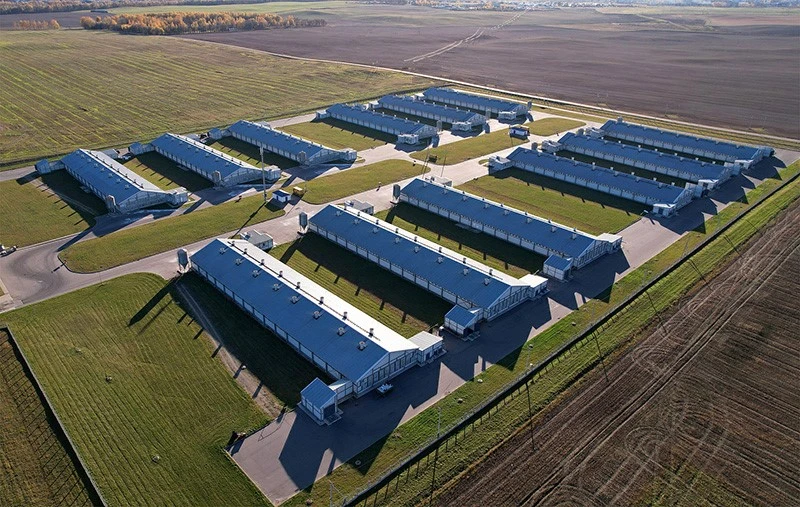
Thoughtful Chicken House Design & Sizing
The blueprint impacts bird welfare and your workload significantly.
Calculating Adequate Space
Coop Interior Space:
Provide a minimum of 3-4 square feet per standard-sized chicken inside the chicken house. Bantam breeds need slightly less (2 sq ft), while larger breeds (Orpingtons, Brahmas) need more (4-5 sq ft). Overcrowding is a primary cause of stress, pecking, and disease. Chicken coop size is non-negotiable for health.
Run Space Requirements:
Allow at least 8-10 square feet per chicken in the outdoor chicken run. More space is vastly preferable, enabling natural foraging and reducing boredom/aggression. Consider chicken tractor plans or rotational grazing if space is very limited.
Functional Interior Layout
Roosting Bar Placement:
Install sturdy roosts (1.5-2 inch wide, rounded wood) higher than nesting boxes. Allow 8-12 inches of perch space per bird. Place over a droppings board for easier cleaning.
Nesting Box Configuration:
Provide one nesting box for every 4-5 hens. Boxes should be roughly 12"x12"x12", positioned in a darker, quieter corner of the chicken house, lower than the roosts. Line with clean bedding like straw or wood shavings.
Incorporating Essential Features
Pop Hole & Ramps:
Include an appropriately sized pop hole door (min 10"x12") with a secure sliding or hinged mechanism. A gently sloped ramp with cross battens aids access, especially for heavier breeds. Automatic chicken coop doors add convenience and security.
Human Access & Cleanability:
Design doors large enough for you to enter comfortably for cleaning and inspection. Consider removable roof panels, large access doors, or deep litter systems compatible with equipment. Smooth interior surfaces simplify scrubbing.
Selecting Durable & Appropriate Chicken House Materials
Material choice dictates longevity, safety, and ease of maintenance.
Primary Structural Materials
Framing Lumber:
Use galvanized or coated steel for the primary frame and floor joists of your chicken house. Steel provides exceptional coop stability, offering superior resistance to corrosion, moisture, insects (like termites), and fire compared to wood. Select specifications designed for outdoor or agricultural buildings to ensure adequate strength and durability to support the entire structure and withstand harsh weather. A steel frame is crucial for creating a robust foundation for a predator-proof chicken house.
Wall & Roof Sheathing:
Exterior-grade plywood or oriented strand board (OSB) can still be used for wall and roof cladding, but ensure compatibility with the steel frame and secure attachment using appropriate fasteners (like self-drilling screws). Ensure thorough sealing (paint, weather-resistant coatings) for added protection. Metal roofing (corrugated or standing seam) pairs exceptionally well with a steel frame, offering high durability, a long lifespan, and excellent rain/snow shedding. Asphalt shingles are a common alternative, but metal roofing offers better integration and longevity with a steel structure.
Wire & Security Mesh
Run Enclosure:
Use heavy-duty welded wire fencing (at least 16 gauge, with 1/2" or preferably 1/4" hardware cloth mesh) for the chicken run. Bury it at least 12 inches deep and extend it outwards 12 inches in an "L" shape (apron) around the entire perimeter to deter digging predators (raccoons, foxes). Impenetrable wire is the cornerstone of a predator-proof chicken house design.
Ventilation Openings:
Cover all vents, windows, and gaps smaller than 1/2 inch with 1/4 inch hardware cloth – fastened extremely securely (using screws or staples) to the framing (steel or wood). Chicken wire is ineffective against most predators and should only be used as a secondary inner layer, never as the primary security barrier.
Optimizing Ventilation & Airflow
Proper air exchange is critical for removing moisture, ammonia, and heat, preventing respiratory disease – arguably the most vital system in any chicken house.
Ventilation Principles
High-Low Airflow:
Create intake vents low down (often under eaves or just above walls) and exhaust vents high up (near the ridge or gable ends). Warm, moist air rises and exits the top, drawing in fresh air below. This prevents drafts directly on roosting birds.
Adequate Vent Area:
Ventilation openings should total at least 1/5 to 1/4 of the coop's floor space. Err on the side of more ventilation, which can be partially closed in extreme cold, rather than too little. Ventilation for chicken coop health cannot be overstated.
Adjustable Ventilation Features
Protected Intakes & Exhausts:
Use louvered vents, hardware cloth-covered openings, or adjustable sliding panels to control airflow volume without compromising security. Ensure vents remain functional even with deep snow.
Managing Moisture & Ammonia:
Excellent chicken coop ventilation removes the humidity from breathing and droppings before it condenses. It also expels ammonia gas, which damages respiratory tissues even at low levels. Smelling ammonia inside means ventilation is inadequate.
Implementing Effective Insulation & Temperature Control
While chickens are hardy, insulation provides a buffer against temperature extremes.
Insulation Benefits & Methods
Thermal Regulation:
Insulation helps keep the chicken house warmer in winter and cooler in summer, reducing stress on the birds. Focus insulation on the ceiling/roof (where most heat escapes in winter) and walls.
Material Choices:
Rigid foam board (XPS, EPS - ensure covered), fiberglass batts (covered securely with plywood), or reflective insulation are options. Avoid exposed insulation chickens can peck. Seal gaps meticulously.
Managing Extreme Weather
Summer Cooling Strategies:
Ensure maximum ventilation for chicken coop comfort. Provide ample shade over the run. Use fans cautiously (ensure safe wiring). Offer cool water and electrolyte supplements. Consider misters in very hot, dry climates.
Winter Considerations:
Focus on blocking drafts at bird level while maintaining high-level ventilation. Provide deep, dry bedding for insulation. Use safe, flat-panel radiant heaters only if absolutely necessary and as a supplement, not a replacement for good housing. Avoid heat lamps (fire hazard). Frostbite prevention often involves ensuring dry air (via ventilation) and applying petroleum jelly to large combs/wattles in severe cold.
Ensuring Robust Security & Predator Protection
Predators are a constant threat; your chicken house must be a fortress.
Fortifying Entry Points
Locking Mechanisms:
Use high-quality latches, preferably with carabiner clips or padlocks, on all doors (human access, pop holes, nest box lids). Raccoons are notorious for opening simple hooks and sliding bolts.
Digging Barriers:
Extend buried heavy-duty welded wire fencing outwards 12 inches in an "L" shape (apron) around the entire perimeter of the coop and run. Cover run tops with wire if aerial predators (hawks, owls) or climbing predators (raccoons, martens) are a threat. A predator-proof chicken house leaves no weak points.
Nighttime Protocols
Secure Closures:
Religiously close and lock the pop hole and all other doors every single night without fail. Automatic chicken coop doors powered by light sensors or timers add reliability.
Perimeter Vigilance:
Regularly inspect fencing, wire, and latches for signs of tampering, rust, or weakness. Keep vegetation trimmed back from the coop perimeter to eliminate hiding spots for predators.
Planning for Practical Maintenance & Upkeep
A well-designed chicken house simplifies the chores essential for flock health.
Streamlined Cleaning Systems
Flooring & Access:
Choose smooth, impermeable flooring (painted wood, linoleum over plywood) that scrapes clean easily. Design large doors or removable panels. Deep litter method requires less frequent full cleanouts but needs regular topping up and eventual removal.
Droppings Management:
Position roosts over a removable droppings board for daily scraping. Use absorbent, easy-to-scoop bedding materials (pine shavings, hemp) in nest boxes and on coop floors. Plan for efficient manure composting.
Feed & Water Management
Storage Solutions:
Include a dedicated, rodent-proof feed bin inside the coop or in a nearby shed. Store feed off the ground. Protect feeders from rain within the run.
Accessible Stations:
Place chicken feeders and chicken waterers in the run, elevated slightly off the ground to keep bedding out. Position them under cover to keep feed dry and water clean. Use designs that minimize spillage and contamination. Automatic chicken waterers ensure constant supply.
Investing time in meticulous planning for your chicken house construction pays immense dividends. By carefully considering location, design, materials, ventilation, insulation, security, and maintenance from the outset, you create a safe, healthy, and productive environment for your flock. A well-built chicken coop not only safeguards your birds from predators and disease but also makes the daily routines of backyard chicken keeping far more efficient and enjoyable. Prioritize these key factors, and you'll lay the foundation for years of successful poultry companionship.

