

In modern agriculture, steel has replaced wood and concrete as the main building material. Steel can achieve larger spans without pillars, install more quickly, resist corrosion and pests, and is easy to insulate. Here are seven applications of steel structures in agriculture.
1. Poultry houses
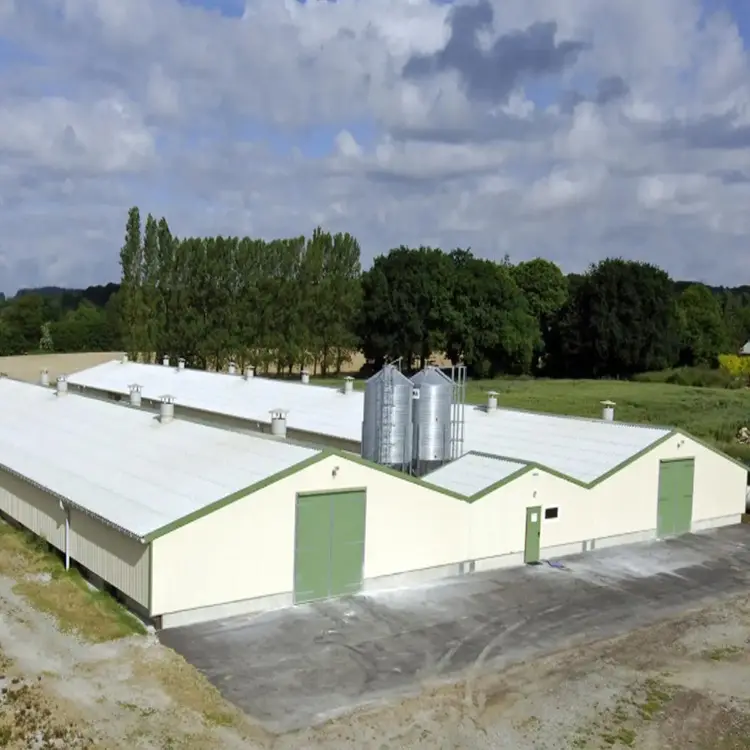
This is the main application area. Broiler, egg-laying, and breeding chicken farms all use steel frame structures, with spans large enough to accommodate automated feeding, drinking, and manure transportation systems. Insulation panels (such as polyurethane, polystyrene foam, or rock wool) have good temperature control properties and can resist ammonia corrosion.
2. Livestock sheds

Cattle, pigs, sheep, and goats are all raised in steel sheds. Open structures facilitate natural ventilation, and the layout can be flexibly adjusted according to the number of livestock. The pig farming industry benefits the most: the corrosion-resistant coating can more effectively resist ammonia and moisture than most other materials.
3. Grain storage and processing
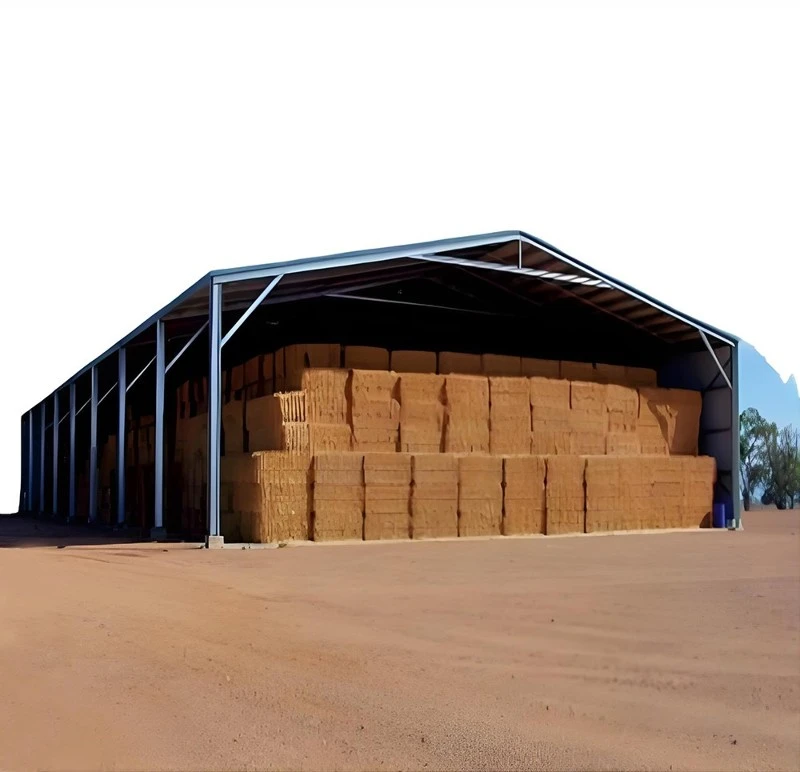
There are two types of buildings for grain storage: steel silos and flat-roof warehouses, mainly used for storing wheat, corn, rice, and soybeans. Steel storage facilities are the standard for global farms; large flat-roof warehouses are suitable for bulk grain and seed processing.
4. Greenhouses
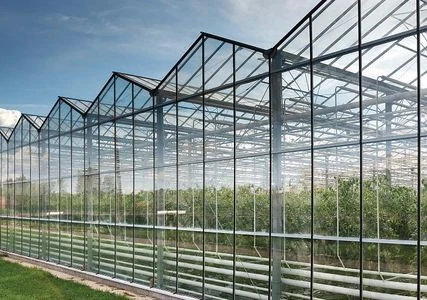
Steel frames can support glass or polycarbonate structures for greenhouses. The large-span design leaves more space for planting, and steel does not rot or attract pests in humid and chemically contaminated environments like commercial horticulture. Shade sheds and seedling facilities also rely on steel.
5. Storage and maintenance of machinery and equipment
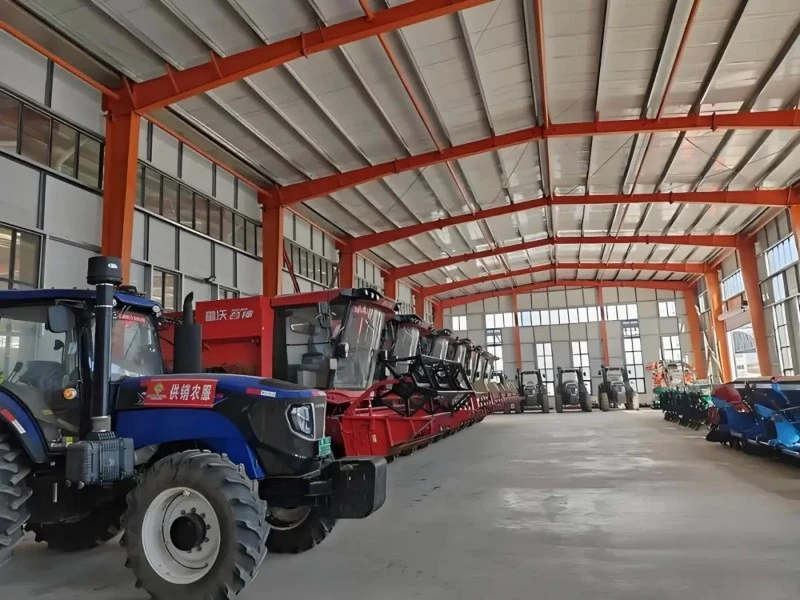
Every farm needs covered warehouses to store tractors, harvesters, and farm tools. Prefabricated steel sheds with large spans and high eaves can accommodate large machinery and can be extended as the fleet size increases.
6. Feed mills and processing
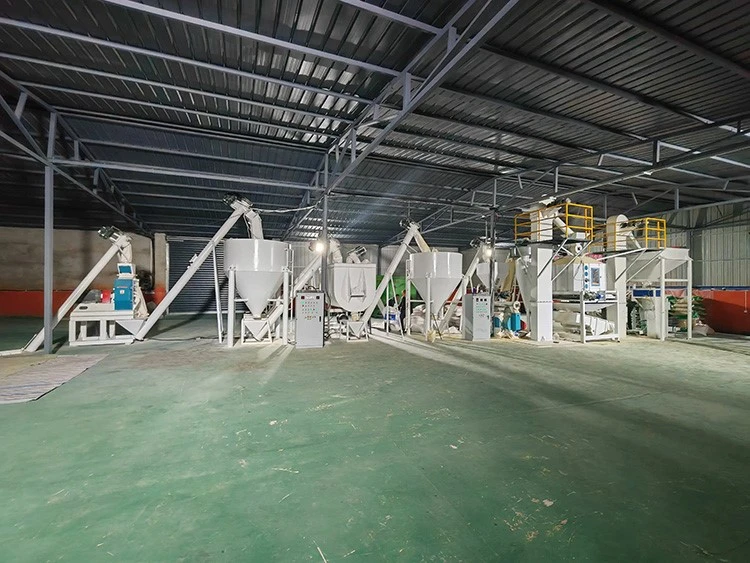
Mixing, granulating, and storage of feed are all done in steel structures. This material can effectively handle dust, vibration, and moisture, and does not require frequent maintenance like other building types. Large feed mills use multi-layer steel platforms and towers.
7. Refrigeration and packaging plants
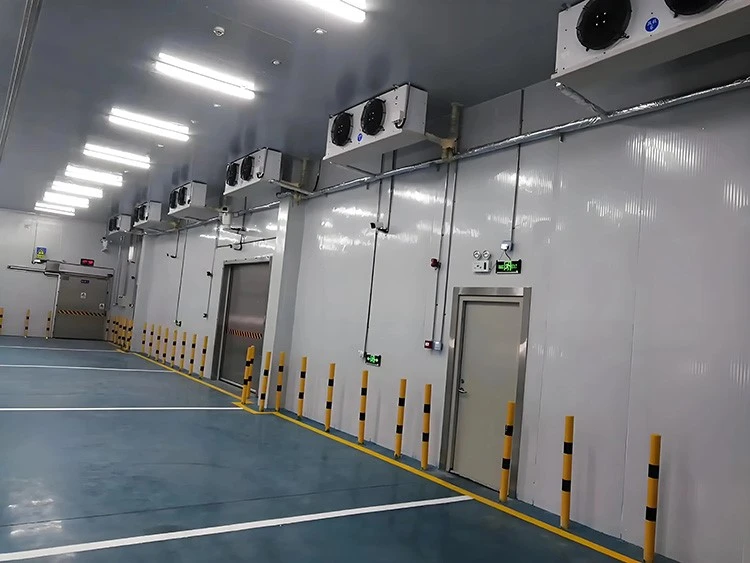
After harvest, insulated steel-structured buildings can be used as cold storage, packaging workshops, and agricultural product storage rooms. PIR or rock wool panels can maintain temperature and comply with fire safety regulations, while steel frames are used to support the refrigeration equipment installed on the roof and walls.
Steel structures have large net spans, quick construction, good insulation and moisture resistance, and low maintenance costs. There is no reason not to choose steel structures in the agricultural field.
Read more→ How Does a Modern Chicken House Work?


