

If you are looking for durability, affordability, and rapid construction, prefab steel garage buildings are an excellent choice. Unlike traditional wood structures, prefabricated steel garages resist rot, pests, and harsh weather.
However, the key to a successful project lies in the installation. While these structures come with pre-drilled holes and engineered blueprints, proper assembly matters. This guide walks you through the step-by-step installation process for prefab steel garage buildings, ensuring your metal structure stands level, square, and secure for decades.
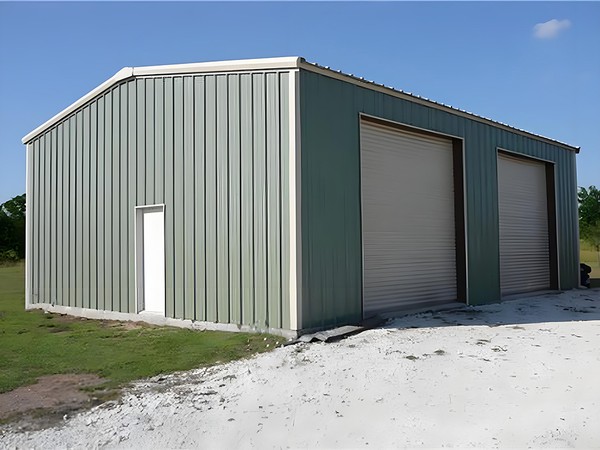
Pre-Installation Planning and Site Preparation
Before the first bolt is tightened, thorough planning is required. Rushing this phase is the number one cause of structural issues later on.
1. Verify Local Permits and HOA Regulations
Most jurisdictions require a permit for metal garage buildings. You need to check local zoning laws regarding:
Setback requirements: Distance from property lines.
Height restrictions: Ensure your building's roof pitch complies.
Wind load and snow load ratings: Verify that your specific prefab kit meets local environmental codes.
2. Prepare the Foundation (Concrete Slab)
Unlike temporary shelters, prefab steel garage buildings require a permanent foundation. A concrete slab is the industry standard.
Dimensions: The slab should match the building's width and depth. Typically, it extends 4 inches beyond the frame on all sides if a "rat wall" is used.
Anchor Bolts: Before pouring concrete, embed anchor bolts according to the anchor bolt diagram in your manual. These bolts secure the base rails to the foundation.
Curing: Allow the concrete to cure for at least 5–7 days, depending on climate, before beginning assembly.
Unloading and Inventorying Your Prefab Steel Kit
3. Organize Components
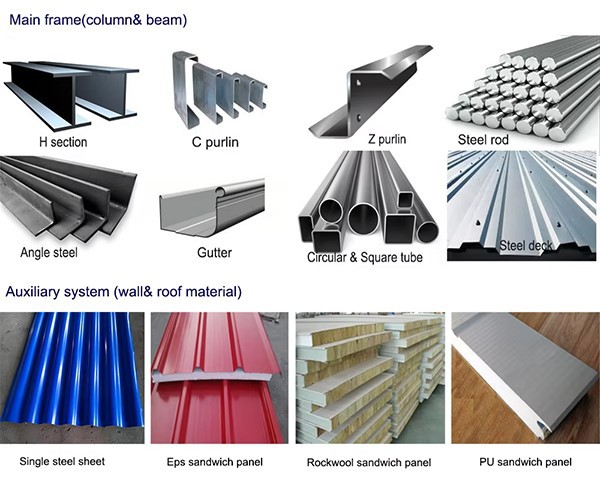
Your kit will include:
Primary framing: Rigid steel columns (I-beams or C-section).
Secondary framing: Girts (wall supports) and purlins (roof supports).
Sheeting: Roof panels and wall panels
Hardware: Self-tapping screws, washers, base plates, and bolts.
Inventory all parts against the packing list immediately. Steel edges can be sharp; always wear heavy-duty gloves during handling.
Assembly Process
With the foundation set and materials inventoried, it is time to erect the structure. It is highly recommended to have at least 3 to 4 people for this phase to safely maneuver the heavy steel columns.
4. Erecting the Main Frame
The primary framing forms the skeleton of your steel garage building.
Set the Base Rails: Bolt the horizontal base rails (or "track") to the anchor bolts in the concrete slab. Use a level to ensure they are flat.
Raise the Columns: Attach the vertical columns to the base rails using the supplied nuts and bolts. Leave them snug but loose to allow for adjustments during squaring.
Install the Rafters: Connect the rafters (roof beams) to the top of the columns to form the arches of the building.
5. Installing Girts and Purlins
Once the main arches are up, add the girts (horizontal wall supports) and purlins (horizontal roof supports). These components brace the main frame, preventing the building from twisting. Use a tape measure to verify diagonal measurements-corner to corner. The frame is square when both diagonal measurements are equal. Once square, tighten all bolts to the manufacturer's specified torque.
6. Roof and Wall Sheeting
With the structural steel in place, you begin closing in the building.
Starting Point: Begin with the roof panels at one corner of the eave. Overlap panels by at least one rib, typically 1 to 2 inches, to prevent water infiltration.
Fasteners: Use self-tapping screws with rubber washers (neoprene). Do not overtighten; the washer should compress just enough to seal without cracking.
Trim: After the flat panels are installed, apply corner trim, J-trim, and base trim to cover raw edges and provide a finished look.
Final Steps: Doors, Anchoring, and Waterproofing
7. Installing Garage Doors and Walk Doors
Prefab steel garage buildings usually come with framed openings for garage doors.
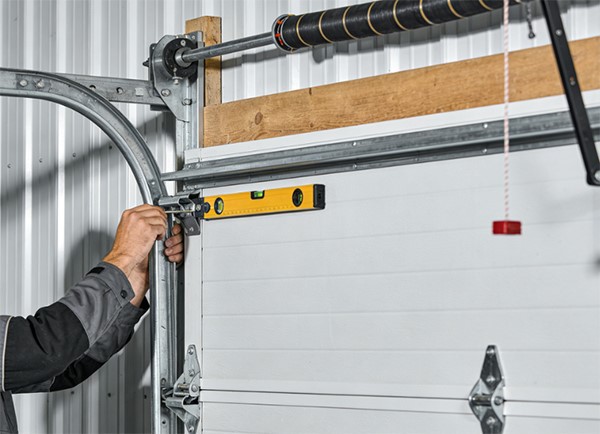
Follow the manufacturer's guide for installing the horizontal track system.
Ensure the garage door frame is plumb-vertically level-to prevent the door from binding during automatic operation.
Install walk doors using shims to ensure a tight seal against the steel jambs.
8. Final Anchoring and Sealing
Check Anchor Bolts: Re-torque all anchor bolts to ensure the building hasn't shifted during assembly.
Caulking: Apply high-quality exterior-grade silicone caulk to the end laps of roof panels and around window and door trim.
Safety Considerations and Common Pitfalls
Installing a metal structure is not a simple weekend DIY project for a single person. Here are common mistakes to avoid:
Ignoring Wind Conditions: Steel panels act like sails. Never install wall sheeting on a windy day; it can catch the wind and injure workers or bend the frame.
Screw Placement: Using the wrong screw type-such as a wall screw on the roof-will cause leaks. Roof screws must have a longer shank and a larger rubber washer.
Ladder Safety: When installing roof purlins and sheeting, use ladder stabilizers or scaffolding. Steel roofs become slippery when dew or dust is present.
Conclusion
The step-by-step installation process for prefab steel garage buildings requires precision, patience, and proper safety protocols. By carefully preparing the concrete slab, squaring the primary framing, and correctly installing the sheeting and fasteners, you ensure your investment remains rust-free and structurally sound for a lifetime.
A skilled DIYer can tackle this project, but hiring a local installation crew familiar with metal building systems can save time and help preserve the warranty. Whether you use it for vehicle storage, a workshop, or a home business, a properly installed steel garage offers unmatched strength and longevity.
FAQ
Q: Do I need a concrete slab for a prefab steel garage?
A: Yes. While some smaller sheds can sit on gravel, standard prefab steel garage buildings require a level concrete slab with embedded anchor bolts to meet wind load requirements and maintain structural integrity.
Q: How long does it take to install a steel garage?
A: For a standard 2-car size-approximately 24'x24'-a crew of 3 to 4 people typically takes 2 to 4 days to complete the installation, provided the foundation is already cured.
Q: Can I install a steel garage by myself?
A: It is not recommended. The primary framing-steel columns and rafters-is heavy and requires multiple people to lift and brace until bolted. Improper handling can lead to bent frames or personal injury.


