

Hey there! I'm a supplier of Steel Poultry Farms, and today I wanna chat about the size of these farms. It's a topic that's super important for anyone thinking about getting into the poultry - farming business or looking to upgrade their existing setup.
First off, there ain't no one - size - fits - all when it comes to the size of a Steel Poultry Farm. The size you need depends on a whole bunch of factors. Let's start with the number of birds you plan to raise. If you're just starting out and want to keep a small flock, say around 500 to 1000 chickens, you won't need a huge farm. A relatively compact steel structure might do the trick. These smaller farms can be great for hobby farmers or those testing the waters in the poultry business.
On the other hand, if you're going all - in and aiming for large - scale commercial production, you're gonna need a much bigger space. Commercial poultry farms can house tens of thousands of birds. For example, an industrial operation that raises broilers for meat might need a farm that can accommodate 20,000 to 50,000 birds at a time. And that means a pretty large steel building.
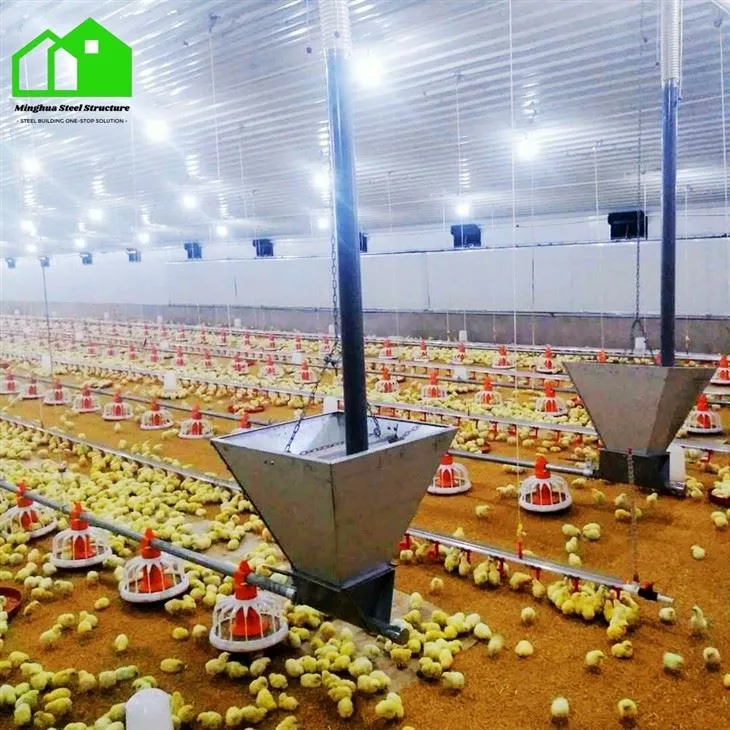
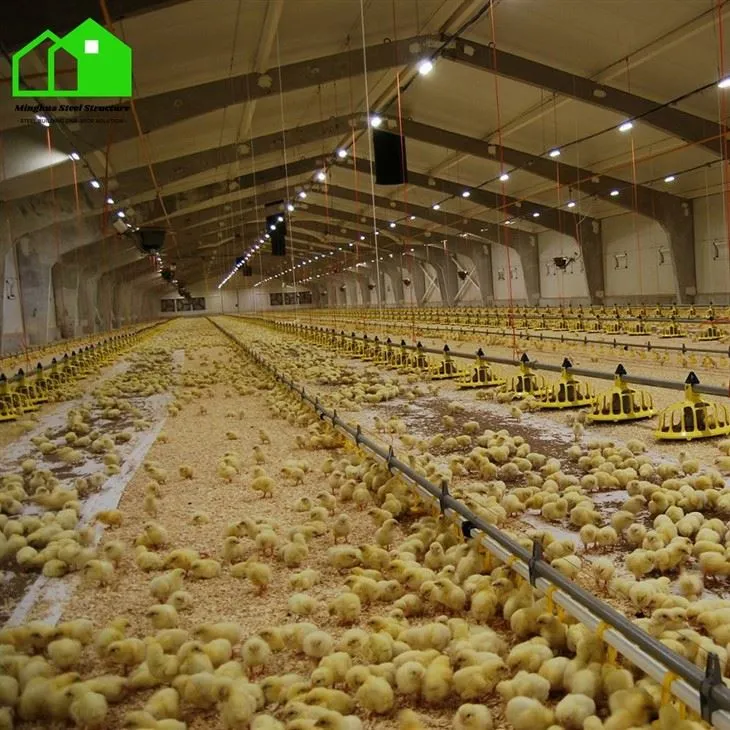
Another factor that influences the size is the type of poultry you're raising. Different birds have different space requirements. Chickens, for instance, need a certain amount of floor space per bird to move around, eat, and rest comfortably. Laying hens, which are kept for egg production, need a bit more space compared to broilers because they need room to move around and access nesting boxes. Turkeys are much larger birds than chickens, so if you're raising turkeys, you'll need a significantly larger farm.
The layout of the farm also plays a role in determining its size. You gotta think about not just the space for the birds themselves but also areas for feed storage, water systems, and waste management. A well - designed farm will have separate sections for different functions. For example, there should be a dedicated area for storing feed to keep it dry and free from pests. And you'll need space for a proper ventilation system to keep the air fresh inside the farm.
Now, let's talk about the advantages of using steel for your poultry farm. Steel is a great material because it's strong, durable, and can be customized to fit any size you need. Whether you're building a small Traditional Poultry House or a large Industrial Chicken House, steel can be shaped and sized to your exact specifications. It's also resistant to fire, pests, and harsh weather conditions, which is a huge plus when you're housing your valuable birds.
When it comes to small - scale Steel Poultry Farms, they usually range from around 500 to 2000 square feet. These smaller farms are perfect for backyard farmers or those with limited land. They're relatively easy to set up and maintain, and you can still raise a decent number of birds. You can often find pre - fabricated steel structures for these sizes, which makes the construction process even quicker.
Medium - sized farms, which might house 5000 to 10,000 birds, typically range from 2000 to 5000 square feet. These farms are a step up from the small ones and are suitable for small - to - medium - sized commercial operations. They give you more room to expand your flock and add more advanced equipment.
Large - scale commercial farms, as I mentioned earlier, can be massive. They can be anywhere from 5000 square feet to over 20,000 square feet. These farms are designed for high - volume production and often have state - of - the - art equipment and technology. They require a significant investment, but the potential for profit is also much higher.
If you're considering a Chicken House Farm, you need to make sure you calculate the size based on the number of chickens you want to raise. As a general rule of thumb, you should allow at least 1 to 2 square feet of floor space per chicken for broilers and 2 to 3 square feet per laying hen. This gives them enough room to move around and reduces the risk of stress - related diseases.
When planning the size of your Steel Poultry Farm, it's also important to think about future expansion. You might start small, but as your business grows, you'll want to be able to add more birds. So, leave some extra space in your initial design if possible. This way, you won't have to build a whole new farm when you want to increase your production.
In addition to the internal space, you also need to consider the outdoor area around the farm. Chickens, in particular, benefit from having access to some outdoor space where they can peck at the ground, find insects, and get some fresh air. The size of this outdoor area can vary depending on the number of birds and local regulations.
Well, I hope this gives you a good idea about the size of Steel Poultry Farms. As a supplier, I've seen all kinds of farms, from tiny backyard setups to huge industrial complexes. And no matter what size you're looking for, I can help you find the right steel structure for your needs.
If you're interested in learning more or want to start the process of purchasing a Steel Poultry Farm, don't hesitate to reach out. I'm here to answer all your questions and guide you through the whole process. Whether you're a newbie in the poultry business or an experienced farmer looking to upgrade, I've got the expertise and the products to make your farm a success.
References
- Agricultural Extension Services Publications
- Poultry Industry Magazines
- Personal Experience as a Steel Poultry Farm Supplier