

Hey there! I'm a supplier of Steel Structure Farms, and today I wanna chat about the heat - transfer rate in a steel structure farm. It's a topic that might not sound super exciting at first, but it's actually crucial for anyone running or planning to set up a farm.
Let's start with the basics. Heat transfer is all about how heat moves from one place to another. In a steel structure farm, there are three main ways this happens: conduction, convection, and radiation.
Conduction is when heat travels through a material. Steel is a pretty good conductor of heat. That means if the outside temperature is hot or cold, the steel in the farm's structure will quickly transfer that heat inside. For example, on a scorching summer day, the steel beams can get really hot, and that heat will spread into the interior of the farm. On the flip side, in winter, the cold from the outside can seep in through the steel.
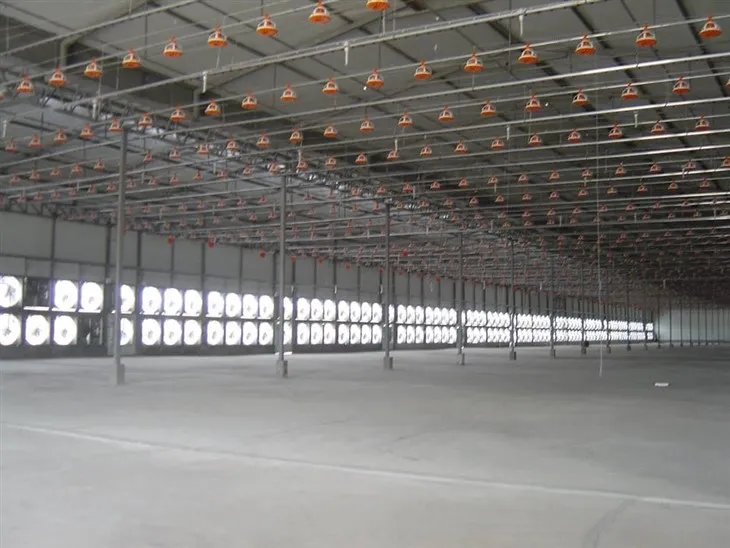
Convection, on the other hand, involves the movement of fluids (like air or water). In a steel structure farm, air can circulate and carry heat around. If there are gaps or poorly sealed areas in the structure, warm air can escape in winter, and hot air can enter in summer. This is why proper insulation and ventilation are so important.

Radiation is the transfer of heat through electromagnetic waves. The sun radiates heat, and if the steel structure of the farm is exposed to direct sunlight, it will absorb that heat. The color of the steel can also play a role here. Dark - colored steel will absorb more heat than light - colored steel.
Now, why does the heat - transfer rate matter in a steel structure farm? Well, it has a huge impact on the comfort and health of the animals living there. For instance, in a Steel Poultry Farm, chickens are very sensitive to temperature changes. If the heat - transfer rate is too high and the inside of the farm gets too hot in summer, the chickens can become stressed, which can lead to a decrease in egg production and even health problems.
In a Poultry Shed, proper temperature control is essential for the well - being of the birds. If the shed gets too cold in winter due to high heat transfer through the steel structure, the chickens may huddle together, which can cause overcrowding and increase the risk of disease.
For a Steel Structure Dairy Farm, cows also need a stable temperature environment. High heat - transfer rates can make the cows uncomfortable, reduce their milk production, and even affect their fertility.
So, how can we control the heat - transfer rate in a steel structure farm? One of the most effective ways is through insulation. Insulating materials can slow down the conduction of heat through the steel. There are different types of insulation available, such as fiberglass, foam, and reflective insulation. Fiberglass insulation is commonly used because it's relatively inexpensive and easy to install. Foam insulation, on the other hand, provides better insulation but can be more costly.
Ventilation is another key factor. Proper ventilation systems can help remove hot air in summer and bring in fresh, warm air in winter. This helps to balance the temperature inside the farm and reduce the effects of heat transfer.
The design of the steel structure also matters. For example, using double - walled steel panels can increase the insulation value and reduce heat transfer. The orientation of the farm building can also be optimized to minimize direct sunlight exposure during the hottest parts of the day.
Let's talk a bit more about the numbers. The heat - transfer rate is usually measured in terms of the U - value. The U - value represents the amount of heat that passes through a material per unit area and per unit temperature difference. A lower U - value means better insulation and a lower heat - transfer rate. For a steel structure farm, aiming for a low U - value is ideal.
When it comes to the cost - effectiveness of controlling the heat - transfer rate, it might seem like a big investment at first. But in the long run, it can save a lot of money. By maintaining a stable temperature inside the farm, you can reduce the need for excessive heating or cooling systems, which can consume a lot of energy. This not only saves on energy bills but also reduces the environmental impact.
As a Steel Structure Farm supplier, I've seen firsthand the importance of getting the heat - transfer rate right. I've worked with farmers who have struggled with temperature control in their farms and have seen the positive changes after implementing proper insulation and ventilation measures.
If you're thinking about setting up a steel structure farm or looking to improve the temperature control in your existing one, I'd love to have a chat. Controlling the heat - transfer rate is a complex but solvable problem, and I can provide you with the best solutions based on your specific needs. Whether it's a poultry farm, a dairy farm, or any other type of steel - structured agricultural building, I've got the expertise to help you out.
So, don't hesitate to reach out and start a conversation about how we can make your steel structure farm more energy - efficient and comfortable for your animals. Let's work together to create a better environment for your farm and your business.
References
- ASHRAE Handbook of Fundamentals. This handbook provides in - depth information on heat transfer principles and building energy efficiency.
- Agricultural Engineering textbooks. These textbooks cover various aspects of farm building design, including heat transfer in steel structures.