

Seismic activity poses a significant threat to structures worldwide, and steel structure sheds are no exception. As a leading supplier of steel structure sheds, I understand the importance of ensuring these structures can withstand seismic forces. In this blog, I'll explore various seismic - proof reinforcement methods for steel structure sheds, sharing insights based on industry best practices and engineering principles.
Understanding Seismic Forces
Before delving into reinforcement methods, it's crucial to understand seismic forces. Earthquakes generate ground motion that subjects structures to lateral forces. These forces can cause a structure to sway, twist, or even collapse if it's not adequately designed and reinforced. For steel structure sheds, the lightweight nature of steel can be both an advantage and a disadvantage. On one hand, it reduces the overall weight of the structure, which in turn reduces the seismic forces acting on it. On the other hand, it may require additional bracing and reinforcement to maintain stability during an earthquake.
Base Isolation
Base isolation is a highly effective seismic - proof reinforcement method. This technique involves separating the steel structure shed from its foundation using isolators. These isolators are typically made of rubber and steel and are designed to absorb and dissipate seismic energy. By decoupling the structure from the ground motion, base isolation reduces the amount of seismic force transferred to the shed.
When implementing base isolation for a steel structure shed, careful consideration must be given to the design and installation of the isolators. The isolators need to be properly sized and placed to ensure they can support the weight of the shed and provide the necessary flexibility during an earthquake. Additionally, regular inspections are required to ensure the isolators remain in good condition. For more information on how base isolation can be applied to your steel structure shed, you can refer to industry standards and engineering guidelines.

Bracing Systems
Bracing systems are another essential aspect of seismic - proof reinforcement for steel structure sheds. There are several types of bracing systems, including diagonal bracing, X - bracing, and knee bracing.
Diagonal bracing is one of the most common types of bracing used in steel structures. It involves installing diagonal members between the columns and beams of the shed. These diagonal members help to resist lateral forces by transferring them to the foundation. Diagonal bracing can be either tension - only or tension - compression bracing, depending on the design requirements.
X - bracing is similar to diagonal bracing but uses two diagonal members that cross each other in an “X” shape. This type of bracing provides additional stiffness and stability to the structure, making it more resistant to seismic forces. X - bracing is particularly effective in large - span steel structure sheds.
Knee bracing is used to provide additional support at the joints between columns and beams. It helps to prevent the columns from buckling under lateral loads. Knee bracing is often used in combination with other bracing systems to enhance the overall seismic performance of the shed.
When designing a bracing system for a steel structure shed, engineers need to consider factors such as the size and shape of the shed, the expected seismic forces, and the load - carrying capacity of the structure. A well - designed bracing system can significantly improve the seismic resistance of the shed.
Damping Devices
Damping devices are used to reduce the vibrations and oscillations of a steel structure shed during an earthquake. These devices work by dissipating the seismic energy as heat. There are several types of damping devices available, including viscous dampers, friction dampers, and tuned mass dampers.
Viscous dampers use a viscous fluid to dissipate energy. When the structure moves during an earthquake, the fluid inside the damper resists the motion, converting the kinetic energy into heat. Viscous dampers are effective in reducing the amplitude of vibrations and can be easily integrated into the existing structure.
Friction dampers work by creating friction between two surfaces. As the structure moves, the friction between the surfaces dissipates the seismic energy. Friction dampers are relatively simple in design and can be cost - effective for seismic reinforcement.
Tuned mass dampers consist of a mass, a spring, and a damper. The mass is tuned to the natural frequency of the structure, and when the structure vibrates, the tuned mass damper moves in the opposite direction, reducing the vibrations. Tuned mass dampers are often used in tall or flexible steel structure sheds.
The choice of damping device depends on various factors, such as the type of structure, the expected seismic forces, and the budget. A professional engineer can help you select the most suitable damping device for your steel structure shed.
Reinforcement of Structural Members
In addition to the above methods, the reinforcement of structural members is also crucial for seismic - proofing a steel structure shed. This may involve increasing the thickness of steel plates, using high - strength steel, or adding additional stiffeners to the columns and beams.
Increasing the thickness of steel plates can enhance the strength and stiffness of the structural members, making them more resistant to seismic forces. High - strength steel can also be used to improve the load - carrying capacity of the shed. However, the use of high - strength steel requires careful design and detailing to ensure proper connection and compatibility with other components.
Adding stiffeners to the columns and beams can prevent local buckling and improve the overall stability of the structure. Stiffeners can be in the form of plates, angles, or channels, and they need to be properly welded or bolted to the structural members.
Application in Different Types of Steel Structure Sheds
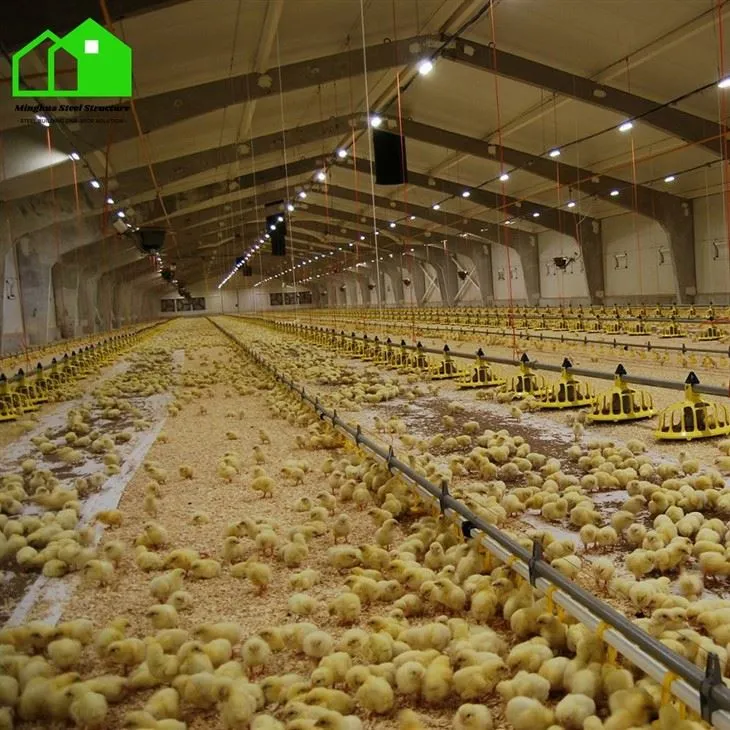
Our company offers a wide range of steel structure sheds, including Traditional Poultry House, Chicken Farm Building, and Poultry Shed. The seismic - proof reinforcement methods mentioned above can be applied to these different types of sheds, but the specific design and implementation may vary depending on their unique requirements.
For poultry houses and sheds, the internal layout and the presence of livestock need to be considered when designing the seismic - proof reinforcement. The bracing systems should be designed in such a way that they do not interfere with the normal operation of the farm. Additionally, the base isolation and damping devices need to be selected and installed to ensure the safety of the animals during an earthquake.
Conclusion
Seismic - proof reinforcement is essential for steel structure sheds to ensure their safety and durability during earthquakes. By using methods such as base isolation, bracing systems, damping devices, and reinforcement of structural members, we can significantly improve the seismic resistance of these structures. As a steel structure shed supplier, I am committed to providing high - quality products with effective seismic - proof reinforcement.
If you are interested in purchasing a steel structure shed or need more information about seismic - proof reinforcement, please feel free to contact us. Our team of experts will be happy to assist you in selecting the most suitable shed and reinforcement solutions for your needs.
References
- Structural Steel Design Handbook, ASCE
- Seismic Design of Buildings, FEMA
- Steel Construction Manual, AISC