

Hey there! As a supplier of multistory buildings, I've seen firsthand how important natural light is in the design of these structures. It's not just about making a space look nice; it has a huge impact on the well - being of the people inside and the overall energy efficiency of the building. So, let's dive into how multistory buildings are designed to make the most of natural light.
Understanding the Basics of Natural Light
Before we start talking about design, it's crucial to understand how natural light behaves. The sun moves across the sky throughout the day, and its angle changes with the seasons. This means that the amount and direction of sunlight hitting a building can vary a lot.
In the northern hemisphere, the sun is generally in the southern part of the sky. So, south - facing windows get the most sunlight throughout the day, especially in winter when the sun is lower. In the southern hemisphere, it's the opposite, with north - facing windows getting more sunlight.
Orientation and Layout
The first step in designing a multistory building for natural light is getting the orientation right. We try to align the building so that it can capture as much sunlight as possible. For example, in a residential building, we might place living rooms and common areas on the south - facing side (in the northern hemisphere) to let in plenty of natural light.

When it comes to the layout, we also think about how light will move through the building. We use open floor plans whenever possible. In a Steel Structure Residential Building, an open layout allows light to travel deeper into the interior. Instead of having a bunch of small, enclosed rooms, we create large, interconnected spaces. This way, light can bounce off walls and reach areas that are further from the windows.
Window Design
Windows are obviously a key element in bringing natural light into a building. We use different types of windows depending on the function of the space and the amount of light we want to let in.
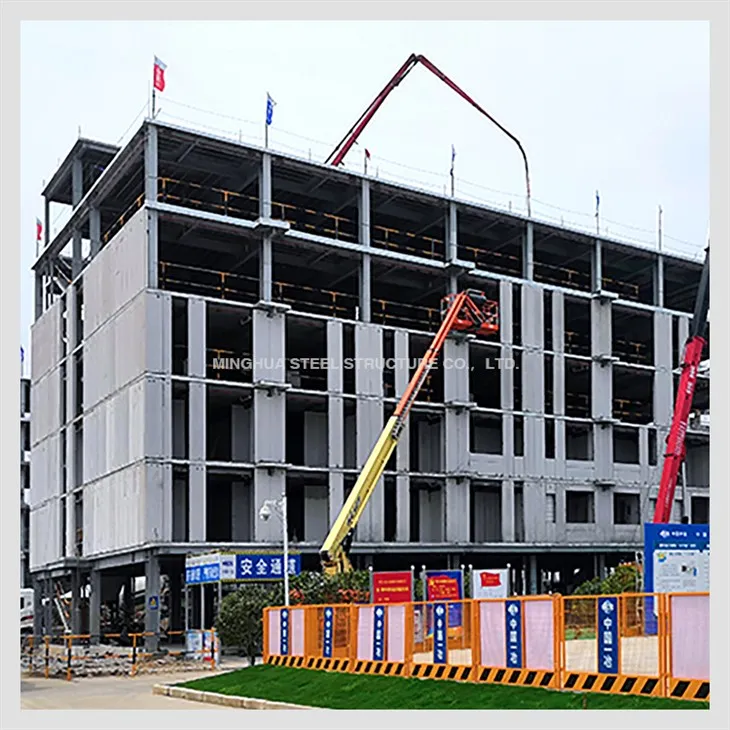
Large, floor - to - ceiling windows are great for letting in a lot of light and creating a connection with the outdoors. They're often used in living areas or in commercial spaces like lobbies. In a [Three - Story Steel Frame Office Building](/multistory-building/three - story - steel - frame - office - building.html), big windows on the lower floors can make the entrance area bright and inviting.
Skylights are another excellent option, especially for interior spaces that don't have easy access to side - wall windows. They can bring light straight down into a room, creating a unique lighting effect. We carefully calculate the size and placement of skylights to ensure they don't cause too much heat gain in the summer.
We also pay attention to the glazing of the windows. Low - emissivity (Low - E) glass is commonly used. It allows visible light to pass through while blocking a significant amount of infrared and ultraviolet radiation. This helps to keep the building cool in the summer and warm in the winter, while still letting in plenty of natural light.
Interior Design and Reflective Surfaces
The interior of a multistory building also plays a big role in how natural light is distributed. We use light - colored walls, floors, and ceilings. Light colors reflect more light than dark colors, so they help to spread the natural light throughout the space.
Mirrors and other reflective surfaces can also be strategically placed to bounce light into darker corners. In a hallway or a small room, a well - placed mirror can make the area feel much brighter and more spacious.
Shading Devices
While natural light is great, too much of it can be a problem. In the summer, direct sunlight can cause overheating and glare. That's where shading devices come in.
Overhangs are a simple and effective shading solution. They can be designed to block the high - angle summer sun while still allowing the low - angle winter sun to enter the building. Louvers are another option. They can be adjusted to control the amount of light and air entering the building. In a [Multi - high - rise Steel Structure Civil Building](/multistory-building/multi - high - rise - steel - structure - civil.html), we might use motorized louvers that can be automatically adjusted based on the time of day and the position of the sun.
Atriums and Light Wells
Atriums and light wells are great features for multistory buildings. An atrium is a large, open space in the center of a building, often with a glass roof. It acts as a light collector, bringing sunlight deep into the building. Light wells are similar but are usually smaller and more vertical. They can be used to bring light to interior rooms on different floors.

In a large commercial building, an atrium can serve as a social and gathering space. The natural light makes it a pleasant place to be, and it also helps to reduce the need for artificial lighting in the surrounding areas.
Daylighting Controls
To make the most of natural light, we use daylighting controls. These are systems that automatically adjust the artificial lighting based on the amount of natural light available. For example, if there's a lot of sunlight coming in through the windows, the artificial lights will dim or turn off.
There are different types of daylighting controls, such as photosensors and occupancy sensors. Photosensors measure the amount of light in a space and adjust the lighting accordingly. Occupancy sensors detect when a room is occupied and turn the lights on or off as needed.
Energy Efficiency and Cost Savings
Designing a multistory building for natural light isn't just about creating a nice - looking space; it also has significant energy - efficiency benefits. By using natural light instead of artificial light, we can reduce the energy consumption of the building. This not only saves money on electricity bills but also reduces the building's carbon footprint.
In the long run, the cost savings from reduced energy consumption can offset the initial investment in features like large windows, skylights, and shading devices.
Conclusion
Designing multistory buildings for natural light is a complex but rewarding process. It involves a combination of careful orientation, smart window design, interior planning, shading solutions, and the use of daylighting controls.
As a supplier of multistory buildings, we're always looking for new and innovative ways to maximize natural light in our structures. Whether it's a [Steel Structure Residential Building](/multistory-building/steel - structure - residential - building.html), a [Three - Story Steel Frame Office Building](/multistory-building/three - story - steel - frame - office - building.html), or a [Multi - high - rise Steel Structure Civil Building](/multistory-building/multi - high - rise - steel - structure - civil.html), we're committed to creating buildings that are not only functional but also comfortable and energy - efficient.
If you're in the market for a multistory building and want to learn more about how we can design it to make the most of natural light, I'd love to talk to you. Just reach out to start a conversation about your project and see how we can bring your vision to life.
References
- "Daylighting Handbook" by the Illuminating Engineering Society
- "Sustainable Building Design and Construction" by Charles J. Kibert