

Can a steel structure farm be used for fish farming? Well, that's a question I've been getting a lot lately, and as a supplier of steel structure farms, I'm more than happy to dive into this topic.
First off, let's talk about what a steel structure farm is. It's basically a farm building made primarily of steel. These farms are super versatile and have been used for all sorts of things, like Traditional Poultry House, Steel Structure Dairy Farm, and Metal Chicken House. But can they be used for fish farming? The answer is a resounding yes!
One of the biggest advantages of using a steel structure farm for fish farming is its durability. Steel is strong and can withstand all kinds of weather conditions. Whether it's scorching heat, heavy rain, or even strong winds, a steel structure farm will hold up. This is crucial for fish farming because you need a stable environment for your fish to thrive. You don't want your farm to get damaged easily, as that could disrupt the entire fish - rearing process.
Another great thing about steel structure farms is that they can be customized. You can design the farm to meet the specific needs of your fish species. For example, if you're farming a species that needs a lot of space to swim, you can build a large - scale steel structure with big tanks. You can also install different types of water filtration systems and aeration equipment inside the steel structure. These systems are essential for maintaining good water quality, which is the key to healthy fish.
When it comes to cost - effectiveness, steel structure farms also have an edge. Compared to some traditional fish - farming methods, building a steel structure farm can be more affordable in the long run. The initial investment might seem a bit high, but you'll save money on maintenance and repairs over time. Steel is relatively low - maintenance, and you won't have to worry about things like rotting wood or termite damage, which are common problems in other types of farm buildings.
Now, let's talk about the practical aspects of setting up a fish - farming operation in a steel structure farm. The first step is to choose the right location. You need a place with access to a clean water source, whether it's a river, a lake, or a well. The water quality should be tested to make sure it's suitable for the fish you want to farm.
Next, you'll need to install the fish tanks. You can use different types of tanks, such as concrete, fiberglass, or plastic, inside the steel structure. The steel structure provides a stable framework to support these tanks. You'll also need to set up a proper water circulation system. This system will ensure that the water in the tanks is constantly refreshed and oxygenated. A good water circulation system can prevent the build - up of harmful substances like ammonia and nitrites, which can be deadly to fish.
Temperature control is also important. Most fish species have a specific temperature range in which they grow best. You can install heating or cooling systems inside the steel structure to maintain the right temperature. For example, in colder months, you can use heaters to keep the water warm, and in hot summers, you can use cooling equipment to prevent the water from getting too hot.
Lighting is another factor to consider. Some fish species need a certain amount of light to regulate their biological rhythms. You can install artificial lighting systems inside the steel structure to mimic natural daylight conditions. This can help with the growth and development of the fish.
In terms of fish species, there are many options for fish farming in a steel structure farm. You can farm freshwater fish like tilapia, catfish, or carp. These fish are relatively easy to raise and are in high demand in the market. You can also consider farming saltwater fish, but this requires more advanced equipment and a better understanding of saltwater systems.
When it comes to feeding the fish, you'll need to choose the right type of feed. There are different commercial fish feeds available in the market, and you should select the one that is appropriate for the fish species you're farming. You can also supplement the commercial feed with natural food sources, such as worms or algae, if possible.

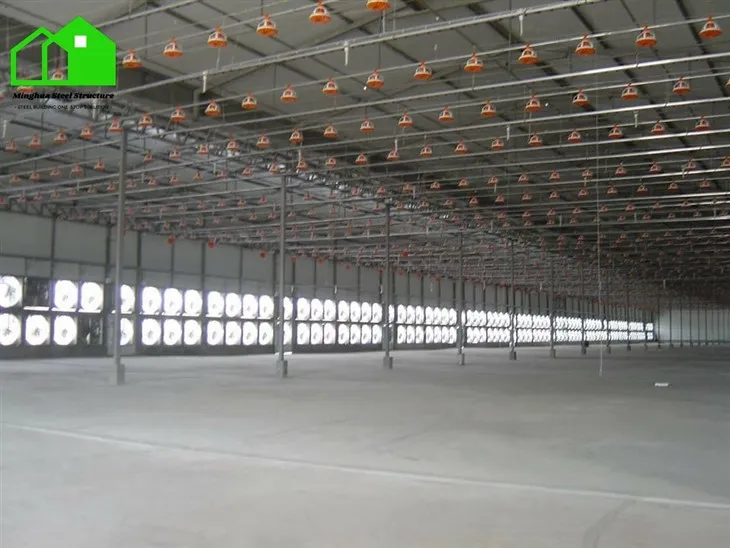
Now, let's address some of the potential challenges of using a steel structure farm for fish farming. One of the main concerns is corrosion. Steel can corrode over time, especially if it's in contact with water. However, this can be prevented by using galvanized steel or applying anti - corrosion coatings. Regular inspections and maintenance can also help detect and address any corrosion issues early.
Another challenge is the risk of disease. Fish can be prone to various diseases, and a closed - environment like a steel structure farm can sometimes increase the risk of disease spread. To prevent this, you need to implement strict biosecurity measures. This includes quarantining new fish before introducing them to the main tanks, keeping the farm clean, and using disinfectants regularly.
In conclusion, a steel structure farm can definitely be used for fish farming. It offers many advantages in terms of durability, customization, cost - effectiveness, and practicality. If you're thinking about starting a fish - farming business, a steel structure farm is a great option.
If you're interested in learning more about how a steel structure farm can work for your fish - farming needs or if you're ready to start the procurement process, feel free to reach out. We're here to help you every step of the way, from design to installation. Let's work together to create a successful fish - farming operation!
References
- "Aquaculture Engineering" by Craig S. Tucker and John Hargreaves.
- "Fish Farming: A Practical Guide" by David C. Little.