

As a seasoned supplier of Agricultural Steel Buildings, I often encounter inquiries from farmers and agricultural business owners about the regulations regarding the location of these structures. This topic is crucial as it can significantly impact the success and legality of an agricultural operation. In this blog post, I'll delve into the various regulations that govern the placement of agricultural steel buildings, offering insights based on my years of experience in the industry.
Zoning Laws
One of the primary factors influencing the location of agricultural steel buildings is zoning laws. These laws are established by local governments to regulate land use within specific areas. In most regions, there are distinct zoning categories for agricultural activities, and it's essential to ensure that your intended building site falls within an appropriate agricultural zone.
For instance, some areas may have strict residential, commercial, and industrial zones, and building an agricultural steel structure in an area zoned for other purposes can lead to legal complications. Before purchasing land or starting construction, it's advisable to consult with the local planning and zoning department. They can provide detailed information about the zoning regulations in your area and help you determine if your proposed building site is compliant.
Setback Requirements
Setback requirements are another critical aspect of agricultural steel building location regulations. Setbacks refer to the minimum distance that a building must be set back from property lines, roads, and other structures. These requirements are in place to ensure safety, provide access for emergency vehicles, and maintain a certain aesthetic standard in the neighborhood.
The setback distances can vary widely depending on the location and the type of agricultural activity. For example, a Chicken Farm Building may have different setback requirements compared to a Steel Structure Barn due to factors such as odor control and noise levels. It's crucial to obtain accurate setback information from the local authorities and factor it into your building plans.
Environmental Regulations
Environmental regulations play a significant role in determining the location of agricultural steel buildings. These regulations are designed to protect natural resources, such as water bodies, wetlands, and wildlife habitats. Before constructing a building, you may need to conduct an environmental assessment to identify any potential environmental impacts.
For example, if your proposed building site is near a wetland, you may be required to obtain special permits or take measures to minimize the impact on the wetland ecosystem. Additionally, there may be regulations regarding the disposal of agricultural waste, such as manure, which can influence the location of buildings to ensure proper waste management.
Floodplain Regulations
If your agricultural land is located in a floodplain, there are specific regulations that you need to follow when building a steel structure. Floodplain regulations are in place to reduce the risk of flood damage to buildings and protect the safety of occupants.
In flood-prone areas, you may be required to elevate the building above the base flood elevation or install flood-resistant construction materials. Failure to comply with floodplain regulations can result in higher insurance premiums and potential damage to your building in the event of a flood. It's essential to consult with the Federal Emergency Management Agency (FEMA) or your local floodplain management office to understand the requirements for building in a floodplain.
Fire Codes
Fire codes are another important consideration when determining the location of agricultural steel buildings. These codes are designed to prevent and control fires, ensuring the safety of people and property. Depending on the type of agricultural activity and the materials stored in the building, there may be specific fire protection requirements.
For example, a building used to store flammable materials, such as pesticides or fuel, may need to be located at a safe distance from other structures and equipped with fire suppression systems. Additionally, there may be requirements for fire exits, ventilation, and the use of fire-resistant construction materials. It's crucial to work with a qualified architect or engineer who is familiar with local fire codes to ensure that your building meets all the necessary requirements.
Proximity to Neighbors
While not always a formal regulation, the proximity of your agricultural steel building to neighbors can also be an important factor. Considerations such as noise, odor, and visual impact can affect your relationship with neighbors and may even lead to complaints or legal issues.

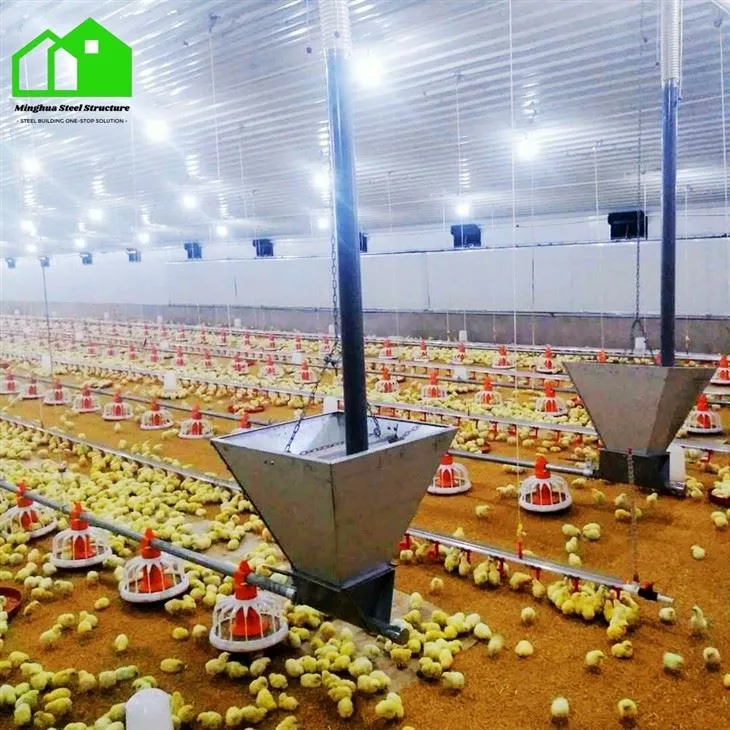
For example, if you're planning to build an Industrial Chicken House, the odor and noise generated by the chickens can be a concern for nearby residents. It's important to communicate with your neighbors early in the planning process and take steps to minimize any negative impacts. This may include installing odor control systems, using soundproofing materials, or adjusting the building's orientation to reduce visual impact.
Navigating the Regulations
Navigating the various regulations regarding the location of agricultural steel buildings can be a complex and time-consuming process. However, it's essential to ensure compliance to avoid legal issues and ensure the long-term success of your agricultural operation.
Here are some tips to help you navigate the regulations:
- Do Your Research: Start by researching the local regulations in your area. Visit the local planning and zoning department, environmental agency, and other relevant government offices to gather information.
- Work with Professionals: Engage the services of a qualified architect, engineer, or land use consultant who is familiar with agricultural building regulations. They can help you design a building that meets all the necessary requirements and obtain the required permits.
- Plan Ahead: Incorporate the regulatory requirements into your building plans from the beginning. This will help you avoid costly delays and modifications during the construction process.
- Communicate with Authorities: Maintain open communication with the local authorities throughout the planning and construction process. They can provide guidance and assistance to ensure that you're on the right track.
Conclusion
In conclusion, there are numerous regulations regarding the location of agricultural steel buildings, including zoning laws, setback requirements, environmental regulations, floodplain regulations, fire codes, and considerations for neighbors. As an Agricultural Steel Building supplier, I understand the challenges that farmers and agricultural business owners face in navigating these regulations.
If you're planning to build an agricultural steel structure, I encourage you to reach out to me for expert advice and guidance. I have extensive experience in working with clients to ensure that their buildings meet all the necessary regulatory requirements. Whether you need a Chicken Farm Building, a Steel Structure Barn, or an Industrial Chicken House, I can provide you with high-quality products and support throughout the building process.
Let's work together to create a safe, compliant, and efficient agricultural steel building that meets your specific needs. Contact me today to start the conversation.
References
- Local planning and zoning department regulations
- Federal Emergency Management Agency (FEMA) floodplain regulations
- Local environmental agency guidelines
- National Fire Protection Association (NFPA) fire codes