
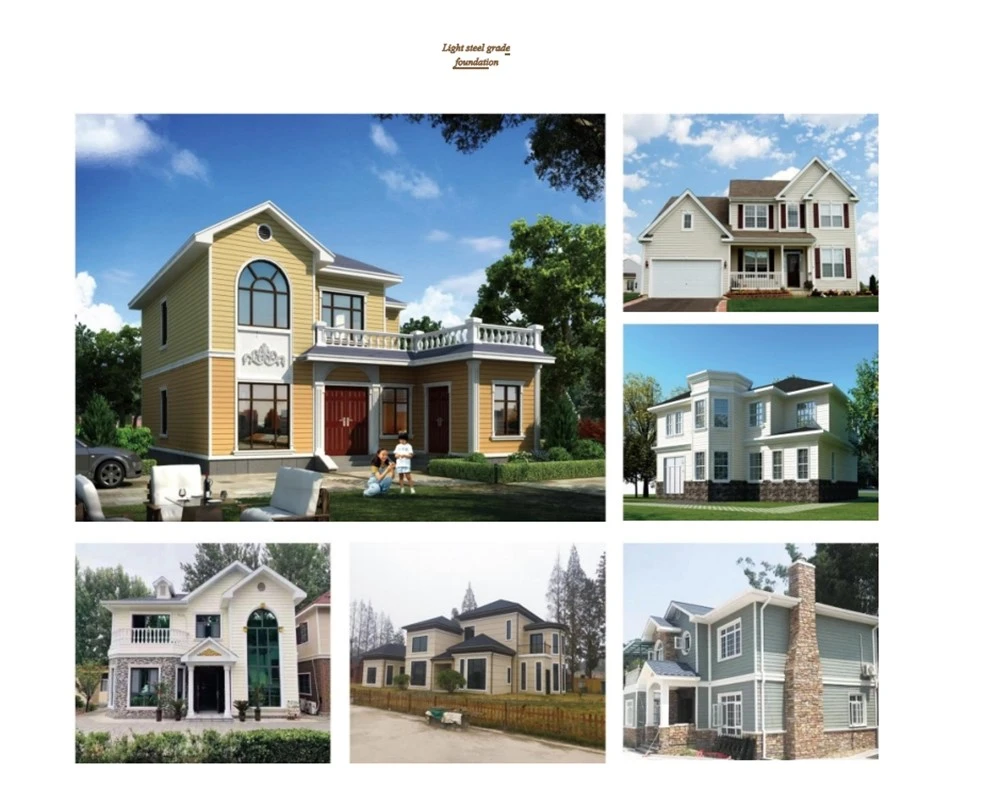
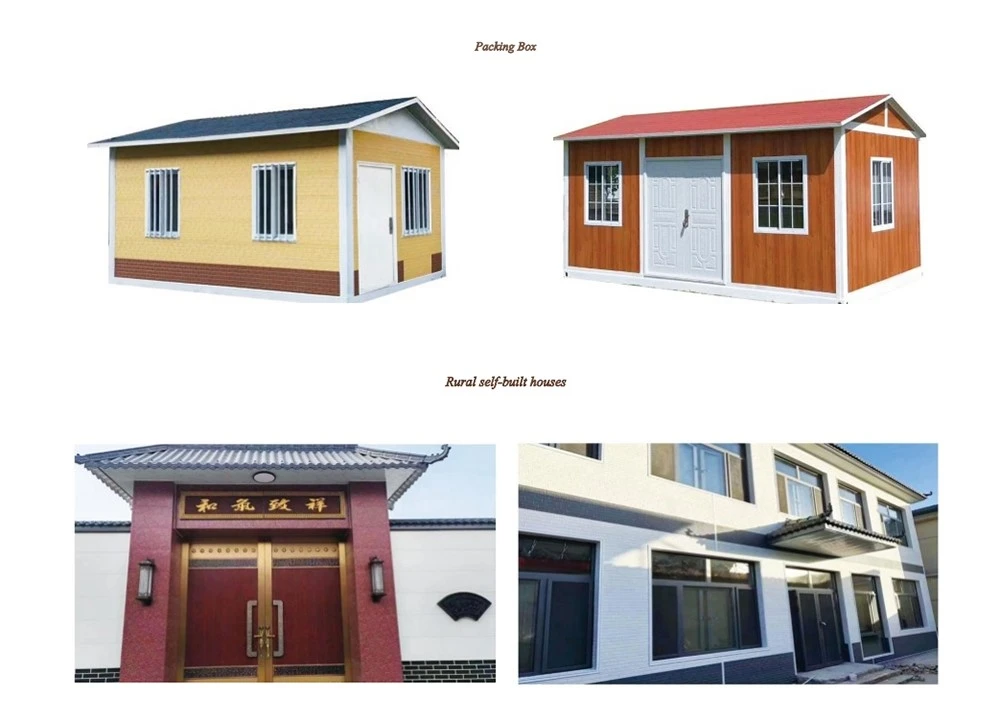
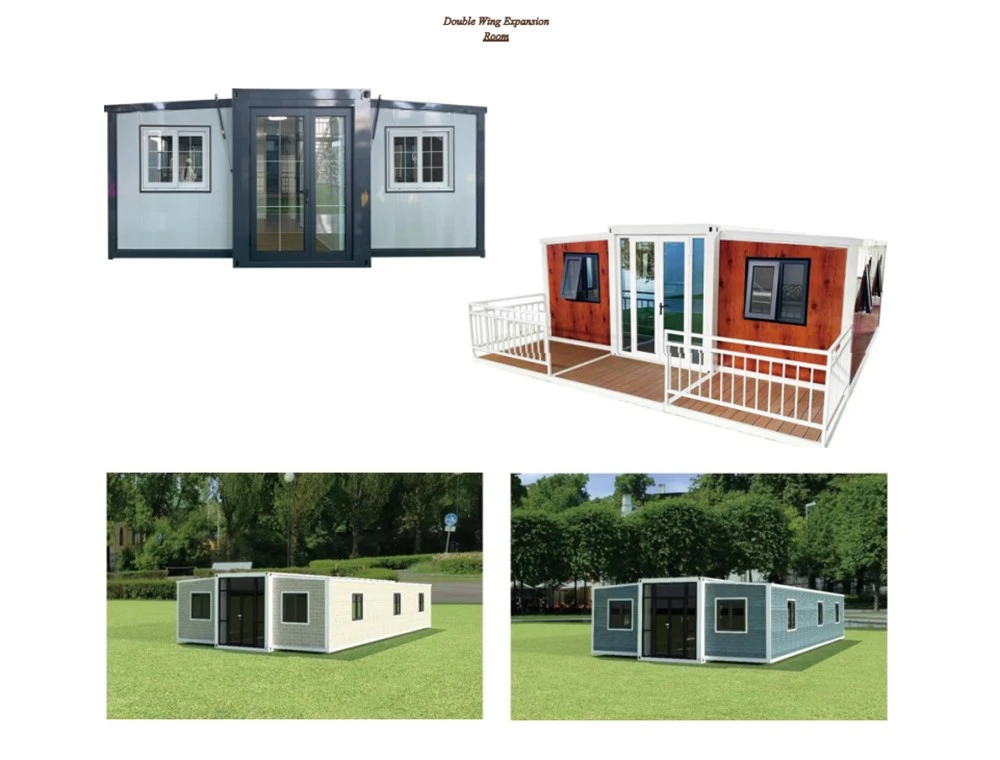
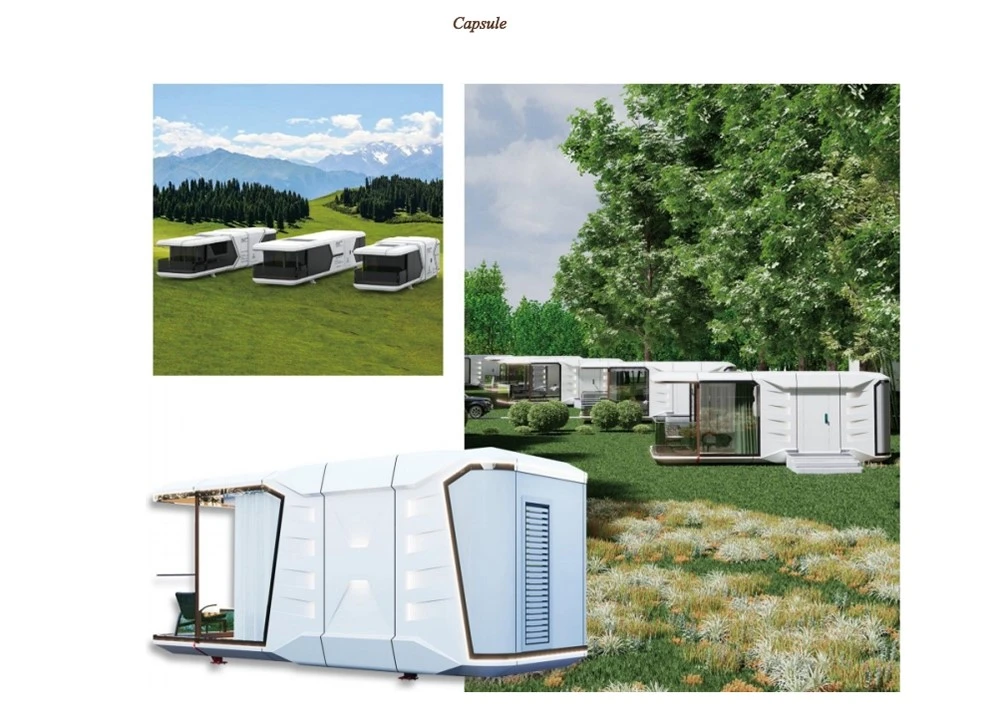
Metal embossed panels are a type of composite exterior wall material that combines decorative effects with heat insulation properties. Metal engraved panels are widely used in various engineering fields, including light steel villas, residential apartments, containers, office buildings, and scenic spots.
Description
The metal embossed panel is composed of three layers that are bonded together:
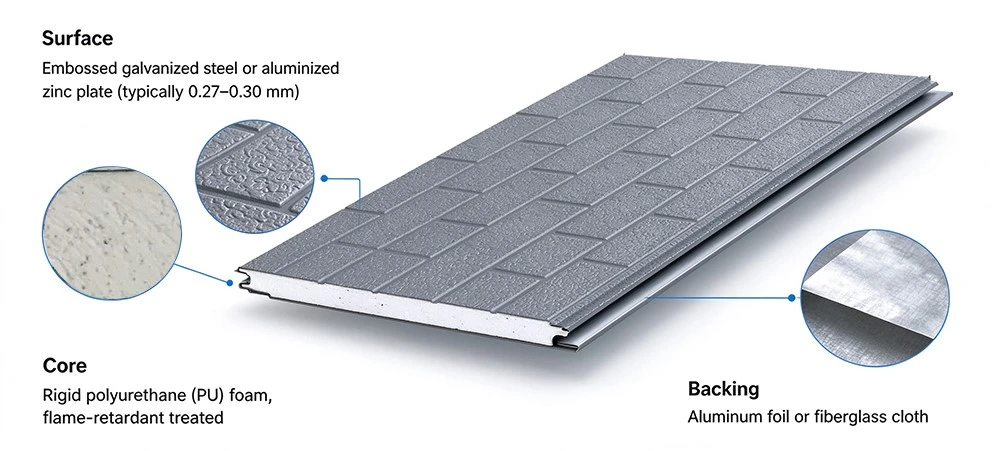
The surface is pressed with a embossing roller to create realistic texture effects such as brick patterns, marble patterns, wood grain patterns or wave patterns, without the need for additional coating or layering. The polyurethane (PU) core material adopts a closed-cell structure, enabling the board to have excellent thermal insulation performance and water resistance.
Standard specifications:
| Specification | Typical Value / Range |
|---|---|
| Effective width | 383 mm |
| Thickness | 16 mm (standard); 14 / 20 / 25 mm available |
| Length | Customizable, commonly 2–6 m |
| Weight | Approx. 3.2–3.7 kg/m² |
| Fire rating | B2 (baseline); B1 (upgraded) |
| Core density | Typically 40 kg/m³ (PU) |
| Thermal conductivity | 0.022–0.04 W/(m·K) |
| Surface pattern | 100+ options (brick, stone, marble, wood grain, smooth) |
Application
Metal carved panels are well-suited for projects where decorative finish and basic insulation are needed in a single lightweight product, and where installation speed and reduced structural load matter.
Advantages and Limitations
Advantages
- The panel is both the exterior finish and the insulation layer, so you buy and install less.
- Panels lock together with hidden screws and require no wet work, so rain or freezing weather won't stop the job.
- At about 3.5 kg/m², it adds very little load, which suits light steel frames and seismic areas.
- Galvanized steel with fluorocarbon coating resists UV and corrosion; suppliers claim 15 years without major fading and up to 45 years of substrate life.
- Over 100 brick, stone, marble, and wood-grain patterns give a finished look without masonry weight or cost.
Limitations
- 16 mm is fine for mild climates; in harsh climates, add insulation inside the framing and use the panel as the outer skin.
- Joints, corners, and openings need proper flashings and sealant; the panels alone won't keep water out.
- The metal face is thin, so protect panels during shipping and handling.
- B2 is standard and B1 costs more. If there are higher fire protection requirements, then rock wool core materials or other systems must be selected.


