

Which kind of core board is the best for container houses?
-- In fact, there is no such thing as the "best" type or material for the core board. What truly suits the needs is the best one.
Whether you produce container homes, modular offices, labor camps, site accommodation units, portable classrooms, or expandable houses, knowing which panel configurations are used most often can help control costs, improve building performance, and make purchasing decisions easier.
This guide covers the seven sandwich panel specifications most commonly used in container house construction.
No.1 50mm PU Sandwich Panel
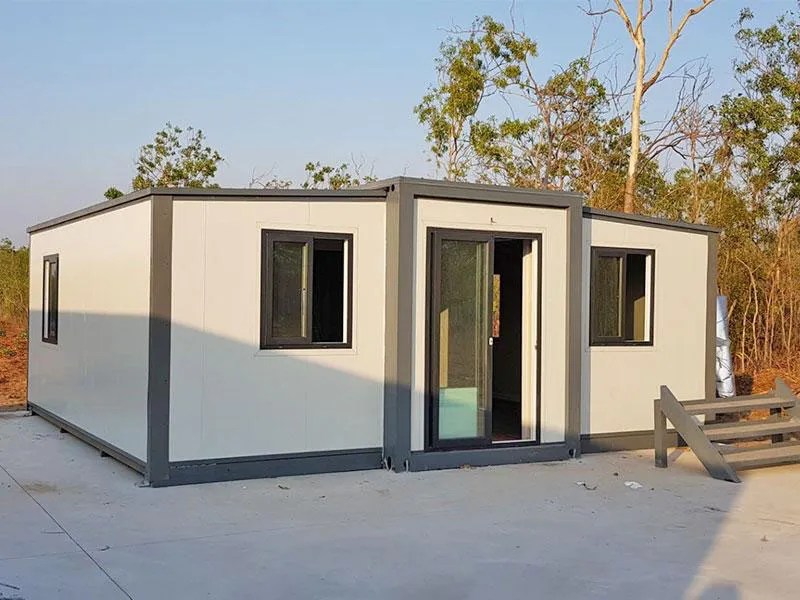
If one specification could be considered the industry standard, it would likely be the 50mm PU sandwich panel.
It is widely used in:
- Flat-pack container houses
- Detachable container houses
- Site offices
- Labor accommodation units
- Temporary housing projects
Why It Sells So Well
✅️Competitive pricing
✅️Good insulation
✅️Lightweight construction
✅️Easy transport
In warm and moderate climates, 50mm PU panels usually provide enough insulation without adding much to the project budget.
Typical Export Markets
Middle East
Africa
Southeast Asia
South America
No.2 75mm PU Sandwich Panel
Many European distributors and modular building companies favor 75mm PU panels.
The thickness increase is modest, but the insulation improvement is noticeable.
Common Applications

✅️Residential container houses
✅️Airbnb cabins
✅️Modular offices
✅️Tourism accommodation units
Why Buyers Choose It
✅️More comfortable indoor temperatures
✅️Lower energy use
✅️Reduced heating and cooling expenses
For manufacturers supplying Europe or North America, 75mm PU panels are often a reliable specification to keep in stock.
No.3 50mm Rock Wool Sandwich Panel
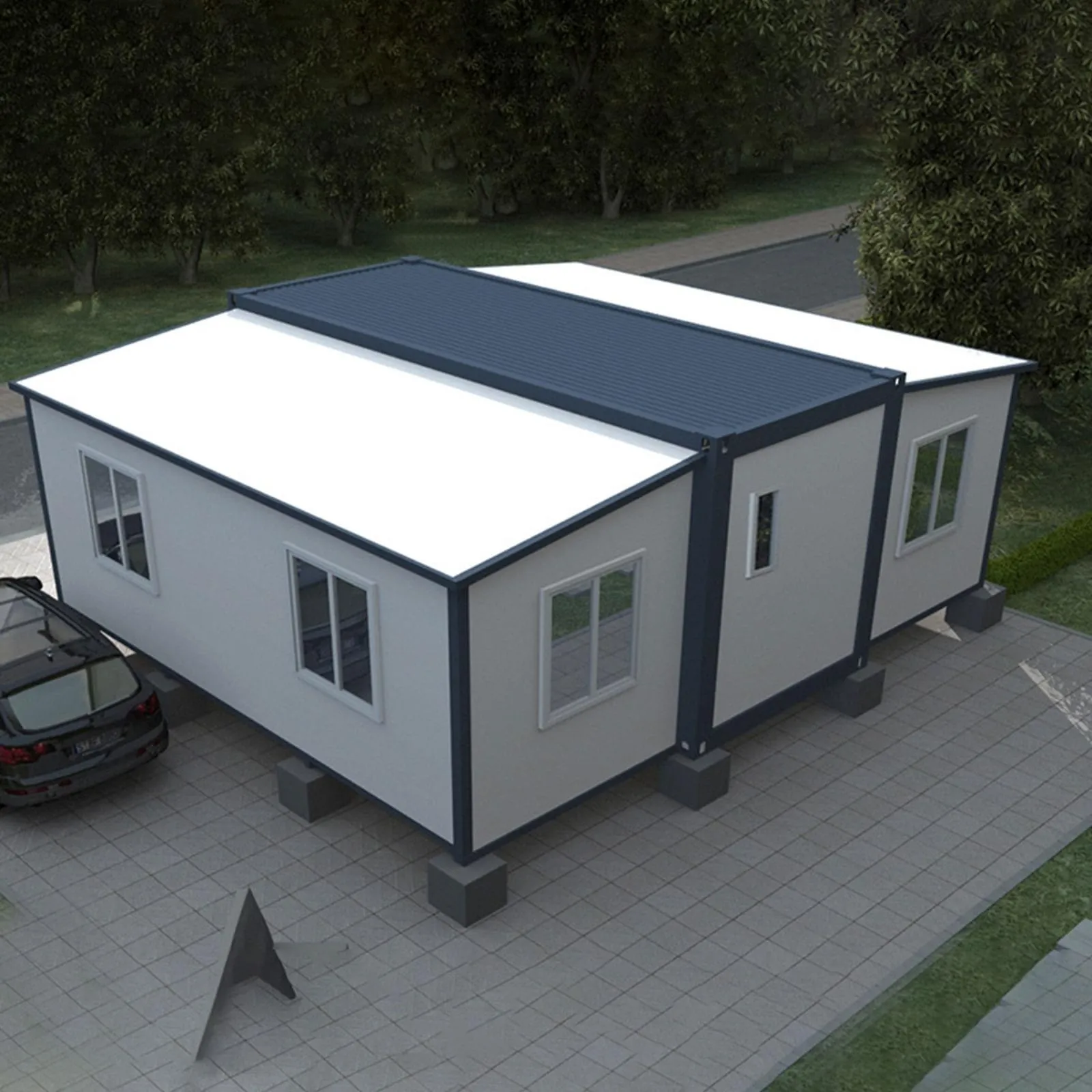
Some projects place fire protection ahead of insulation performance.
In these cases, rock wool panels are often selected.
Common Applications
✅️School buildings
✅️Medical units
✅️Public facilities
✅️Government projects
Advantages
✅️Non-combustible core
✅️Strong fire resistance
✅️Easier compliance with fire codes
The main drawback is greater weight and a higher price compared with PU panels.
No.4 75mm Rock Wool Sandwich Panel
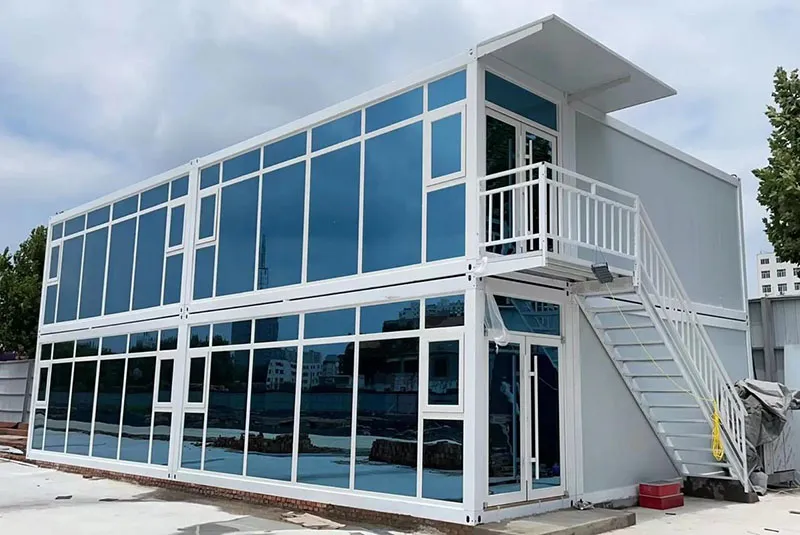
When fire protection and insulation both matter, many developers choose 75mm rock wool panels.
Common Applications
✅️Modular schools
✅️Commercial buildings
✅️Industrial offices
✅️Public-sector projects
Why It Is Popular
✅️Compared with 50mm rock wool panels, the added thickness provides:
✅️Better insulation
✅️Improved sound reduction
✅️Higher structural strength
This specification is becoming more common across Europe and Australia.
No.5 100mm PU Sandwich Panel
Not every container house is built in a warm region.
In colder areas, many manufacturers move directly to 100mm PU panels.
Common Applications
✅️Permanent modular homes
✅️Remote accommodation camps
✅️Mountain resorts
✅️Northern climate projects

Advantages
✅️Strong insulation performance
✅️More comfortable indoor environments
✅️Lower energy consumption
✅️Although the upfront investment is higher, operating costs are often lower over time.
No.6 PIR Sandwich Panels
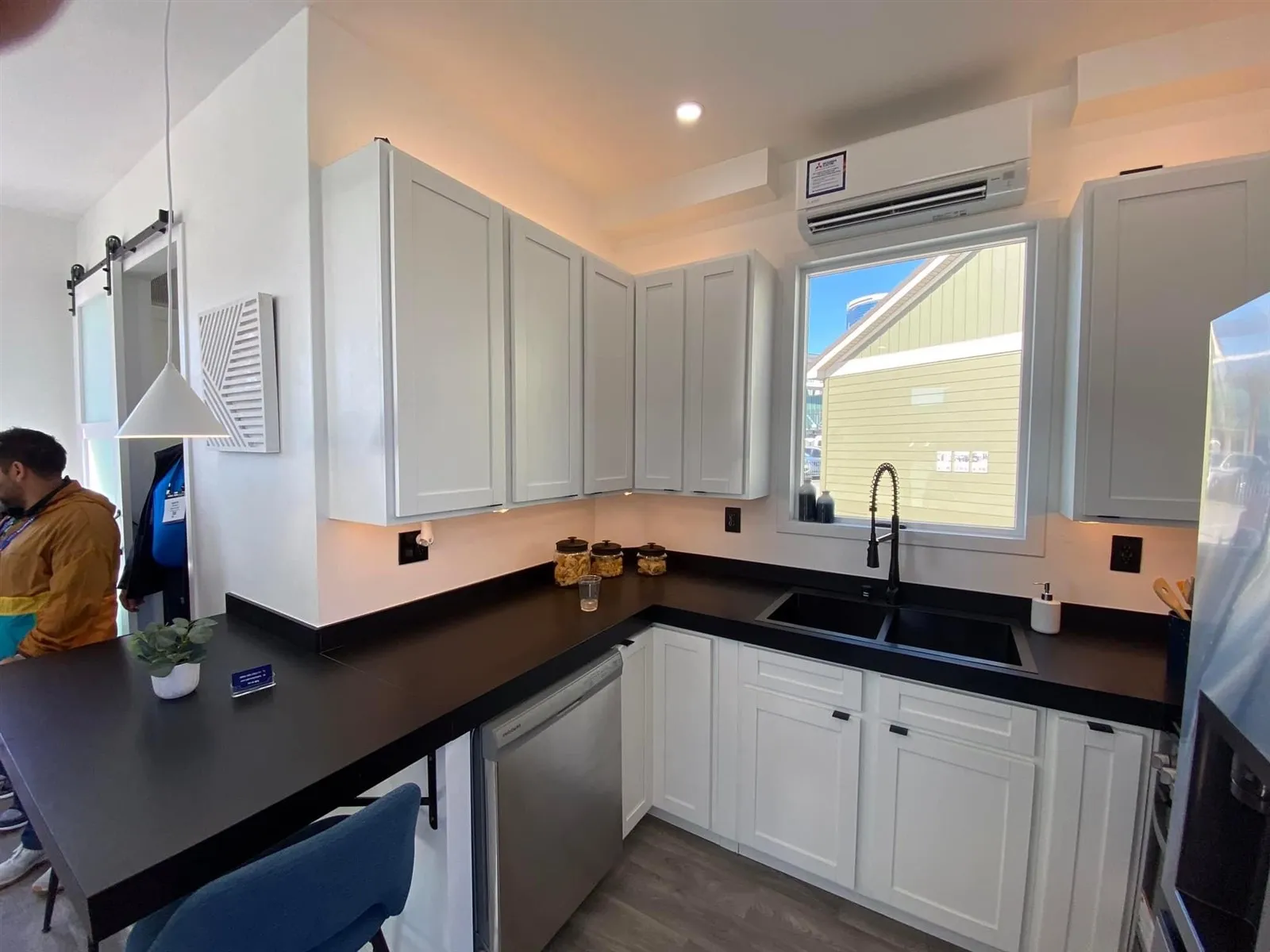
PIR panels are gaining popularity among manufacturers serving the premium modular building market.
They are similar to PU panels but generally offer better fire performance.
Typical Applications
✅️High-end modular buildings
✅️European projects
✅️Premium container housing developments
Why Buyers Upgrade
✅️Better fire resistance
✅️Strong insulation
✅️Wider acceptance in regulated markets
Manufacturers targeting premium customers are including PIR panels in more project specifications.
No.7 Roof-Specific PU Panels
Many buyers focus mainly on wall panels.
The roof, however, often has a greater impact on indoor comfort.
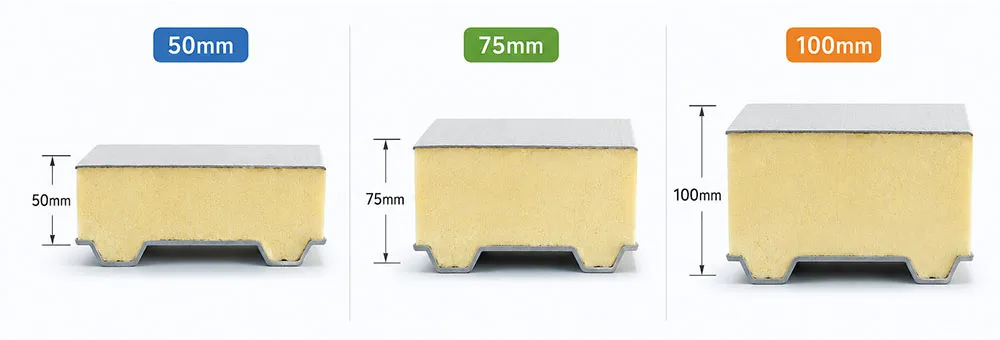
Common Thicknesses
Why Roof Panels Matter
During summer, the roof receives the most direct sunlight.
Better roof insulation can improve:
Indoor comfort
Energy savings
Air-conditioning efficiency
Many experienced modular building manufacturers invest more in roof insulation than in wall insulation.
Which Specification Sells Best?
Based on current export demand, the most widely used specifications are:
| Specification | Main Use |
|---|---|
| 50mm PU | Standard container houses |
| 75mm PU | Residential and office modules |
| 50mm Rock Wool | Fire-rated projects |
| 75mm Rock Wool | Public and commercial projects |
| 100mm PU | Cold climate projects |
| PIR Panels | Premium modular buildings |
| Roof PU Panels | Enhanced thermal insulation |
Choice and Thoughts
For distributors and container house manufacturers, the right specification depends more on customer needs than on sales volume.
50mm PU prioritizes cost, while 75mm PU balances insulation and market demand.
Rock Wool focuses on fire protection, whereas PIR delivers higher thermal performance for premium projects.
Most successful container house manufacturers do not keep dozens of panel specifications in inventory.
They concentrate on a small group of products that fit their target markets.
Across global container house projects, demand is still concentrated around:
50mm PU panels
75mm PU panels
50mm rock wool panels
75mm rock wool panels
Knowing where each specification is most suitable helps manufacturers, distributors, and developers make smarter purchasing decisions, control costs, and achieve better project results.

