
Hey there! I'm a supplier of Steel Structure Dairy Farms, and today I want to dive into a topic that's super important for anyone thinking about setting up or running a dairy farm: What is the energy consumption of a steel structure dairy farm?
Let's start by understanding why energy consumption matters in a dairy farm. Dairy cows need a stable and comfortable environment to produce milk efficiently. That means maintaining the right temperature, providing proper ventilation, and having reliable lighting. All of these things require energy. And as energy costs keep going up, it's crucial to know how much energy your farm will use and how you can manage it.
Key Factors Affecting Energy Consumption
1. Heating and Cooling
One of the biggest energy hogs in a dairy farm is the heating and cooling system. Dairy cows are sensitive to temperature changes. In cold weather, you need to keep the barn warm to prevent cows from getting sick and to maintain milk production. On the other hand, in hot weather, you have to cool the barn to avoid heat stress, which can also reduce milk yield.
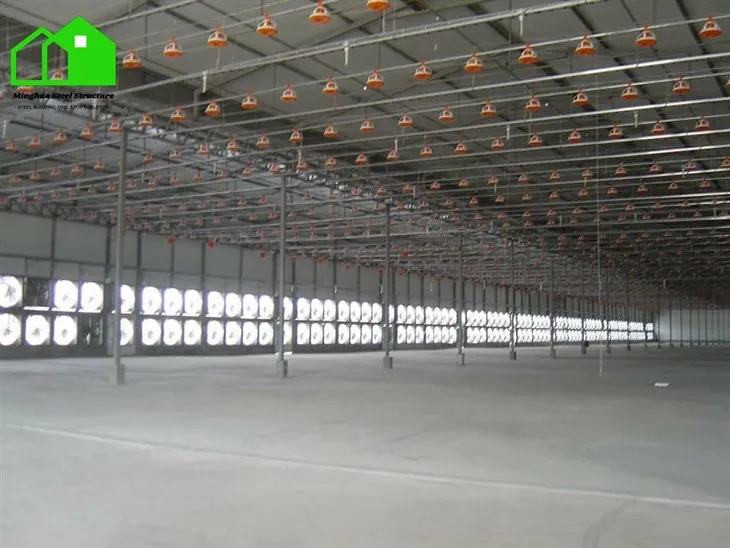

Steel structures are great for dairy farms because they can be well - insulated. Good insulation helps to reduce the amount of energy needed for heating and cooling. But even with insulation, you still need a proper HVAC (heating, ventilation, and air - conditioning) system. The size and efficiency of this system will depend on the size of your farm, the local climate, and the number of cows.
2. Ventilation
Proper ventilation is essential in a dairy farm. It helps to remove moisture, ammonia, and other harmful gases from the barn. This keeps the air quality high, which is good for the cows' health. Ventilation systems can range from simple natural ventilation to more complex mechanical systems.
Mechanical ventilation systems use fans to move air in and out of the barn. These fans can consume a significant amount of electricity, especially if they run continuously. However, they are more reliable and can provide better control over the air quality compared to natural ventilation.
3. Lighting
Dairy cows need a certain amount of light to maintain their natural circadian rhythm, which affects milk production. Lighting systems in a dairy farm need to be carefully designed to provide the right amount of light at the right time. LED lights are a popular choice these days because they are energy - efficient and have a long lifespan.
The energy consumption of lighting will depend on the number of lights, their wattage, and the hours they are used each day. You can also use automated lighting systems that adjust the light levels based on the time of day, which can help to save energy.
4. Milk Processing and Storage
Once the milk is produced, it needs to be processed and stored properly. Milk processing equipment, such as milk coolers and pasteurizers, requires a lot of energy. Milk coolers need to keep the milk at a low temperature to prevent spoilage, while pasteurizers use heat to kill bacteria.
Storage facilities also need to be kept at a controlled temperature. The size and capacity of your milk processing and storage equipment will determine how much energy they consume.
Calculating Energy Consumption
Calculating the energy consumption of a steel structure dairy farm can be a bit tricky because there are so many factors involved. But here's a rough way to estimate it:
First, make a list of all the energy - consuming equipment in your farm. This includes HVAC systems, ventilation fans, lighting, milk processing equipment, and any other electrical devices.
For each piece of equipment, find out its power rating (usually measured in watts or kilowatts). Then, estimate how many hours each device will be used per day. Multiply the power rating by the number of hours of use to get the daily energy consumption in kilowatt - hours (kWh).
For example, if you have a ventilation fan with a power rating of 1 kilowatt and it runs for 10 hours a day, its daily energy consumption is 10 kWh.
Once you have calculated the daily energy consumption for each piece of equipment, add them all up to get the total daily energy consumption of your farm. You can then multiply this by 30 to get the monthly energy consumption or by 365 to get the annual energy consumption.
Comparing with Other Types of Farms
It's interesting to compare the energy consumption of a steel structure dairy farm with other types of farms. For example, a Traditional Poultry House may have different energy requirements. Poultry are generally more tolerant of temperature changes compared to dairy cows, so the heating and cooling needs may be lower. However, poultry houses may need more intensive lighting to stimulate egg production.
A Steel Structure Sheep Farm also has its own unique energy consumption patterns. Sheep are hardy animals and may not need as much heating or cooling as dairy cows. But they still need proper ventilation and lighting.
Energy - Saving Tips
As an energy - conscious supplier, I always recommend these energy - saving tips to my customers:
- Upgrade to Energy - Efficient Equipment: Replace old, inefficient equipment with new, energy - efficient models. For example, switch to LED lights and high - efficiency HVAC systems.
- Use Automated Systems: Automated systems can help to optimize the use of energy. For example, automated lighting systems can adjust the light levels based on the time of day, and automated ventilation systems can adjust the fan speed based on the air quality.
- Improve Insulation: Good insulation in your steel structure can significantly reduce the energy needed for heating and cooling. Make sure your barn is well - insulated to keep the heat in during winter and the heat out during summer.
- Renewable Energy Sources: Consider using renewable energy sources such as solar panels or wind turbines. These can help to reduce your reliance on the grid and lower your energy costs in the long run.
The Role of Automation in Energy Management
Automation plays a huge role in managing energy consumption in a steel structure dairy farm. For instance, an Automated Layer Chicken House Systems | 95% Egg Production Efficiency shows how automation can be used to optimize production while saving energy.
In a dairy farm, automated systems can control the temperature, ventilation, and lighting based on real - time data. For example, sensors can measure the temperature and humidity inside the barn, and the HVAC system can automatically adjust to maintain the ideal conditions. This not only saves energy but also ensures a more comfortable environment for the cows.
Conclusion
In conclusion, the energy consumption of a steel structure dairy farm is influenced by many factors, including heating and cooling, ventilation, lighting, and milk processing. By understanding these factors and implementing energy - saving measures, you can reduce your energy costs and make your farm more sustainable.
If you're thinking about setting up a steel structure dairy farm or looking to improve the energy efficiency of your existing farm, I'm here to help. I can provide you with high - quality steel structures and advice on energy - efficient equipment. Contact me to start a discussion about your dairy farm project and let's work together to create a more energy - efficient and productive farm.
References
- Agricultural Handbook: Energy Management in Dairy Farms, USDA
- Journal of Dairy Science: Impact of Environmental Conditions on Dairy Cow Performance
- Proceedings of the International Conference on Sustainable Agriculture: Energy - Saving Strategies in Livestock Farms