

Hey there, fellow farmers and pig enthusiasts! I'm a supplier for steel structure pig farms, and I've been getting a lot of questions lately about earthquake-proof reinforcement measures. So, I thought I'd put together this blog post to share some insights and tips on how to make your steel structure pig farm more earthquake-resistant.
First off, let's talk about why earthquake-proofing is so important for a pig farm. Earthquakes can cause a lot of damage to buildings, and a pig farm is no exception. If your pig farm is not properly reinforced, it could collapse during an earthquake, putting your pigs and your livelihood at risk. Plus, the cost of rebuilding a damaged farm can be astronomical, so it's definitely worth investing in earthquake-proofing measures upfront.
Now, let's get into the nitty-gritty of earthquake-proof reinforcement measures for a steel structure pig farm. There are several key areas that you need to focus on, including the foundation, the frame, and the connections between the different parts of the structure.
Foundation Reinforcement
The foundation is the most important part of any building, and a steel structure pig farm is no different. A strong foundation is essential for ensuring that your pig farm can withstand the forces of an earthquake. There are several ways to reinforce the foundation of a steel structure pig farm, including:
- Deep Piling: One of the most effective ways to reinforce the foundation of a steel structure pig farm is to use deep piling. Deep piling involves driving long, steel piles into the ground to provide a stable base for the building. The piles are typically driven deep into the ground until they reach a layer of solid rock or soil.
- Raft Foundation: Another option for reinforcing the foundation of a steel structure pig farm is to use a raft foundation. A raft foundation is a large, concrete slab that covers the entire area of the building. The raft foundation helps to distribute the weight of the building evenly across the ground, reducing the risk of settlement and damage during an earthquake.
- Soil Improvement: In some cases, it may be necessary to improve the soil beneath the foundation of a steel structure pig farm. This can be done by adding materials such as gravel, sand, or cement to the soil to increase its strength and stability.
Frame Reinforcement
The frame of a steel structure pig farm is another important area that needs to be reinforced to make it more earthquake-resistant. There are several ways to reinforce the frame of a steel structure pig farm, including:

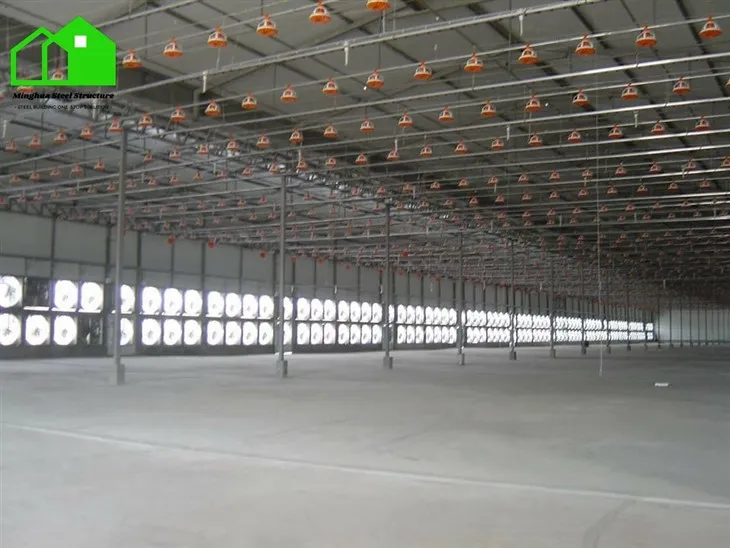
- Bracing: One of the most common ways to reinforce the frame of a steel structure pig farm is to use bracing. Bracing involves adding diagonal members to the frame to provide additional support and stability. The bracing can be made of steel or other materials, and it is typically installed at regular intervals along the frame.
- Column Reinforcement: Another option for reinforcing the frame of a steel structure pig farm is to reinforce the columns. This can be done by adding additional steel plates or bars to the columns to increase their strength and stiffness. The column reinforcement can be installed during the construction of the building or as a retrofit after the building is already in place.
- Beam Reinforcement: In addition to column reinforcement, it may also be necessary to reinforce the beams of a steel structure pig farm. This can be done by adding additional steel plates or bars to the beams to increase their strength and stiffness. The beam reinforcement can be installed during the construction of the building or as a retrofit after the building is already in place.
Connection Reinforcement
The connections between the different parts of a steel structure pig farm are also important for ensuring its earthquake resistance. If the connections are not properly reinforced, the structure could fail during an earthquake. There are several ways to reinforce the connections between the different parts of a steel structure pig farm, including:
- Welding: One of the most common ways to reinforce the connections between the different parts of a steel structure pig farm is to use welding. Welding involves joining the steel members together using a high-temperature process. The welded connections are strong and durable, and they can help to ensure that the structure remains intact during an earthquake.
- Bolting: Another option for reinforcing the connections between the different parts of a steel structure pig farm is to use bolting. Bolting involves using bolts to join the steel members together. The bolted connections are easy to install and remove, and they can be adjusted if necessary. However, the bolted connections are not as strong as the welded connections, so they may need to be reinforced with additional materials.
- Gusset Plates: In some cases, it may be necessary to use gusset plates to reinforce the connections between the different parts of a steel structure pig farm. Gusset plates are steel plates that are used to connect two or more steel members together. The gusset plates are typically welded or bolted to the steel members, and they help to distribute the forces evenly across the connections.
Other Earthquake-Proofing Measures
In addition to the foundation, frame, and connection reinforcement measures discussed above, there are several other earthquake-proofing measures that you can take to make your steel structure pig farm more earthquake-resistant. These measures include:
- Seismic Isolation: Seismic isolation involves using special devices to separate the building from the ground. The devices, such as rubber bearings or base isolators, help to absorb the energy of the earthquake and reduce the forces that are transmitted to the building. Seismic isolation can be an effective way to protect a steel structure pig farm from earthquake damage, but it is also a relatively expensive option.
- Energy Dissipation Devices: Energy dissipation devices are another option for protecting a steel structure pig farm from earthquake damage. These devices, such as dampers or shock absorbers, help to absorb the energy of the earthquake and reduce the forces that are transmitted to the building. Energy dissipation devices can be installed in the frame of the building or in the connections between the different parts of the structure.
- Monitoring and Maintenance: Finally, it is important to monitor and maintain your steel structure pig farm to ensure that it remains earthquake-resistant over time. This includes regular inspections of the foundation, frame, and connections to check for any signs of damage or deterioration. If any problems are found, they should be repaired immediately to prevent further damage.
Conclusion
Well, there you have it! These are some of the key earthquake-proof reinforcement measures that you can take to make your steel structure pig farm more earthquake-resistant. Remember, earthquake-proofing is an important investment that can help to protect your pigs, your livelihood, and your community. If you have any questions or need more information about earthquake-proofing your steel structure pig farm, please don't hesitate to contact me. I'd be happy to help!
If you're also interested in other types of steel structure farms, you can check out these links: Chicken Farm Building, Traditional Poultry House, and Agricultural Steel Building.
If you're considering purchasing a steel structure pig farm or need earthquake-proof reinforcement for your existing one, I invite you to reach out for a detailed discussion. We can tailor the solutions to your specific needs and budget.
References
- "Earthquake Resistant Design of Structures" by Chia-Ming Uang and George C. Lee
- "Structural Steel Design" by William T. Segui