

Hey there! I'm a supplier of steel hangars, and today I'm gonna share with you how to install a conveyor system in a steel hangar. It's a pretty involved process, but with the right steps and a bit of know - how, you can get it done smoothly.
1. Planning and Design
First things first, you need to have a solid plan. The layout of your steel hangar is super important. You've got to figure out where the conveyor system will fit best. Think about the flow of materials. You don't want it to be in the way of other operations in the hangar.
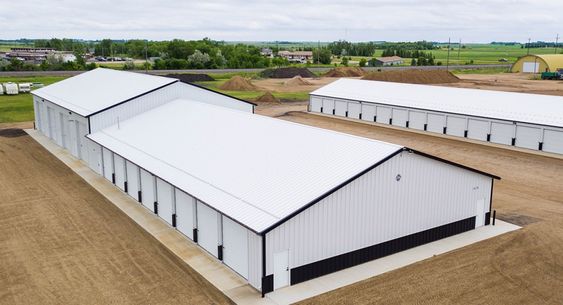
If you're using a Portal Steel Structure Hangar, its design might give you some unique advantages. Portal steel structures are known for their clear - span design, which means you have more open space to work with. This can make it easier to install a long conveyor system without too many obstructions.
Measure the hangar thoroughly. Note down the length, width, and height. You also need to consider the load capacity of the hangar floor. The conveyor system will add weight, so you've got to make sure the floor can handle it. If you're dealing with a Steel Structure Hangar, the floor design might vary, and you need to account for that.
2. Selecting the Right Conveyor System
There are different types of conveyor systems out there, and you've got to pick the one that suits your needs. Belt conveyors are great for moving bulk materials like gravel or sand. They're relatively simple to install and can cover long distances. Roller conveyors, on the other hand, are better for moving heavy or large items. They use rollers to move the materials, and they can handle a lot of weight.
Think about the speed of the conveyor. If you need to move materials quickly, you'll want a high - speed conveyor. But if you're dealing with delicate items, a slower speed might be better. Also, consider the environment in the hangar. If it's a dusty or dirty place, you'll need a conveyor system that can withstand those conditions.
3. Preparing the Installation Site
Before you start installing the conveyor system, you need to prepare the site. Clean the area where the conveyor will be installed. Remove any debris, dirt, or obstacles. Make sure the floor is level. You can use a leveling tool to check this. If the floor is not level, you might need to use shims or other leveling materials to fix it.
Mark the location of the conveyor on the floor. Use chalk or a marker to clearly indicate where the supports and the conveyor itself will go. This will help you during the installation process and ensure that everything is in the right place.
4. Installing the Conveyor Supports
The supports are the backbone of the conveyor system. They hold the conveyor in place and keep it stable. Start by installing the end supports. These are usually the largest and most important supports. Make sure they are firmly attached to the floor. You can use bolts or anchors to secure them.
Next, install the intermediate supports. These are placed at regular intervals along the length of the conveyor. They help to distribute the weight of the conveyor and the materials it's carrying. Make sure the supports are level and aligned correctly. You can use a level and a measuring tape to check this.
5. Assembling the Conveyor
Once the supports are in place, it's time to assemble the conveyor. Start with the frame. The frame is the structure that holds the belt or the rollers. Follow the manufacturer's instructions carefully when assembling the frame. Make sure all the parts are properly connected and tightened.
If you're using a belt conveyor, install the belt. This can be a bit tricky, as the belt needs to be properly tensioned. You can use a tensioning device to adjust the tension of the belt. Make sure the belt is centered on the rollers and that it runs smoothly.
For a roller conveyor, install the rollers. Place them in the correct position on the frame and make sure they rotate freely. You might need to lubricate the rollers to ensure smooth operation.

6. Electrical and Control System Installation
Most conveyor systems require an electrical supply to operate. You need to install the electrical wiring and the control system. Make sure you follow all the electrical safety regulations. Hire a qualified electrician if you're not experienced in electrical work.
The control system allows you to start, stop, and adjust the speed of the conveyor. It's important to test the control system before you start using the conveyor. Make sure all the buttons and switches work properly and that the conveyor responds as expected.
7. Testing and Adjustment
After the conveyor system is installed, it's time to test it. Start the conveyor at a low speed and check for any problems. Look for any signs of misalignment, vibration, or unusual noise. If you notice any issues, stop the conveyor immediately and make the necessary adjustments.
Check the tension of the belt or the rollers. Make sure the conveyor is moving the materials smoothly. You might need to adjust the speed, the alignment, or the tension of the conveyor to get it working perfectly.
8. Safety Measures
Safety is always a top priority. Install safety guards around the conveyor system. These guards prevent people from getting too close to the moving parts of the conveyor. Make sure the guards are properly installed and that they can't be easily removed.
Provide safety training for the employees who will be working with the conveyor system. They need to know how to operate the conveyor safely and what to do in case of an emergency.
9. Maintenance
Once the conveyor system is up and running, you need to maintain it regularly. Clean the conveyor regularly to remove any dirt or debris. Lubricate the moving parts as recommended by the manufacturer. Check the belts, rollers, and supports for any signs of wear and tear. Replace any worn - out parts immediately to prevent breakdowns.
Conclusion
Installing a conveyor system in a steel hangar is a complex process, but if you follow these steps, you can do it successfully. Whether you're using a Portal Steel Structure Hangar, a Steel Structure Hangar, or a Large Span Steel Structure Hangar, proper planning, installation, and maintenance are key.
If you're interested in purchasing a steel hangar or need more information about conveyor system installation in a steel hangar, feel free to reach out for a chat. We're here to help you with all your steel hangar needs.
References
- "Conveyor Systems Handbook" by Conveyor Manufacturer's Association
- "Steel Structure Design and Construction" by American Institute of Steel Construction